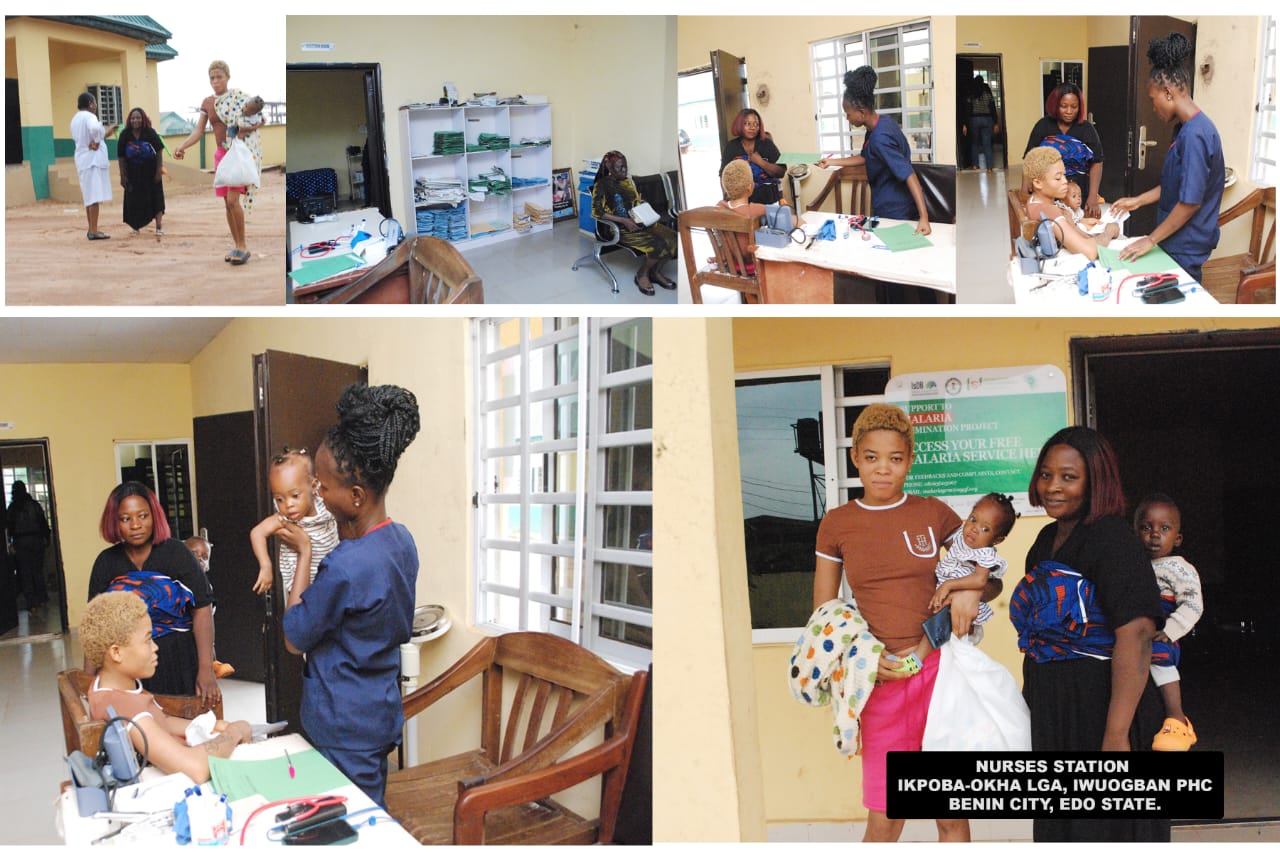
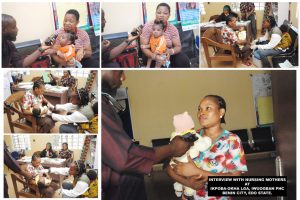
At the Iwuogban Primary Health Centre (PHC) in Benin City, Edo State, the sound of crying babies blends with the calm voices of nurses attending to mothers waiting patiently for healthcare services.
For many residents of Ikpoba-Okha Local Government Area, the facility has become more than just a health centre. It is gradually emerging as a beacon of hope for families seeking affordable and quality healthcare, particularly for women and children.
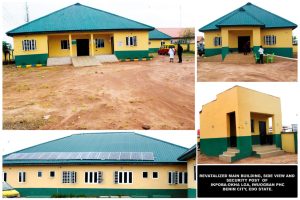
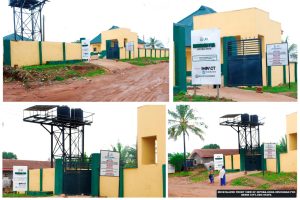
Not too long ago, the situation was markedly different. Leaking roofs, inadequate seating arrangements, security concerns and poor infrastructure made healthcare delivery difficult for both patients and health workers.
Today, however, residents and healthcare workers say the story is changing following the revitalisation of the facility.
For Cynthia Owadia, a mother of four, the transformation is evident in both the environment and the quality of healthcare services.
“I have been using this place for a long time,” she said while carrying her baby after an immunisation session. “My second child is almost five years old. This is the fourth child I am bringing here.”
According to her, healthcare services and the attitude of health workers have improved significantly over the years.
“There is a lot of improvement compared to before,” she said. “The nurses are kind, they are good, and they attend to us well.”
Like many mothers who visit the facility, Cynthia says one of the greatest benefits is access to free healthcare services for children.
“Vitamin A and immunisation are free,” she explained. “They also give malaria drugs free for children and adults.”
The Officer-in-Charge of the facility, Blessing Okaka, said the revitalisation has increased the number of people seeking care at the centre.
“In the past, we were not running full 24-hour services because there was no security and some parts of the roof were leaking,” she explained. “But since the revitalisation, everything is looking beautiful.”
According to her, residents now travel from neighbouring communities to seek treatment at the facility.
“People from far places now come here. When you ask them why they left other facilities, they say they heard this place has changed and children are treated well here,” she said.
She noted that pregnant women and children under the age of five constitute the majority of patients attending the facility.
Okaka added that the improved working environment has boosted staff morale and enhanced service delivery.
“In the past, patients stayed outside because there were not enough seats,” she said. “Now, people can sit comfortably and wait for their turn.”
Beyond the physical transformation, health workers have continued to receive professional training aimed at improving healthcare delivery.
“We recently had training on newborn care, postpartum haemorrhage management, immunisation services and proper documentation,” she explained.
“We were also trained on reducing waiting times for mothers and children during immunisation exercises.”
Despite the progress recorded, the facility continues to face challenges, including shortages of medicines, vaccines, manpower and infrastructure.
“At times we experience vaccine stock-outs,” Okaka revealed. “There was a period when we did not have BCG and OPV vaccines.”
She also identified flooding around the facility during rainfall as a major challenge.
“When it rains, the place becomes flooded and patients walk through water into the facility,” she said.
Another patient, who preferred not to be identified, expressed satisfaction with the services she received after recently beginning to use the centre.
“The place is nice,” she said.
However, she appealed for greater public awareness about the healthcare services available at the PHC.
“Many people are not aware of what is happening here. Government should provide more information so people can know about the services.”
In the laboratory unit, Laboratory Technician Elba Joffrey highlighted the shortage of diagnostic equipment as one of the major challenges affecting healthcare delivery.
“We are lacking some equipment,” she said. “We need a microscope, test strips, reagents and other materials required for testing.”
She appealed to government and development partners to support the laboratory unit with modern equipment to improve diagnosis and patient care.
Also speaking, the Medical Director of the facility, Dr Omorogiba Efosa, acknowledged that while improvements have been made, additional support is still required.
“There are still areas that need improvement,” he said. “Laboratory consumables, delivery equipment and ventilation systems are important.”
According to him, complicated medical cases requiring procedures such as caesarean sections are referred to secondary healthcare facilities when necessary.
“As the need arises, we refer cases that require secondary intervention,” he explained.
For residents and healthcare workers alike, the changes taking place at Iwuogban PHC are gradually restoring confidence in primary healthcare services.
Although challenges such as flooding, equipment shortages and occasional vaccine stock-outs remain, many residents say the improvements have made healthcare more accessible and reliable.
For mothers like Cynthia Owadia, the revitalised facility represents more than renovated buildings. It is a place where children receive life-saving immunisations, families access essential healthcare services and communities can look to the future with renewed hope.
As more residents continue to walk through its gates each day, the revitalised Iwuogban PHC stands as evidence that sustained investment in grassroots healthcare can improve lives and strengthen communities.