Academics and Researchers have called for a stronger research culture across African universities and institutions.
According to them, quality scholarship and knowledge production are essential to advancing African Studies and shaping the continent’s future.
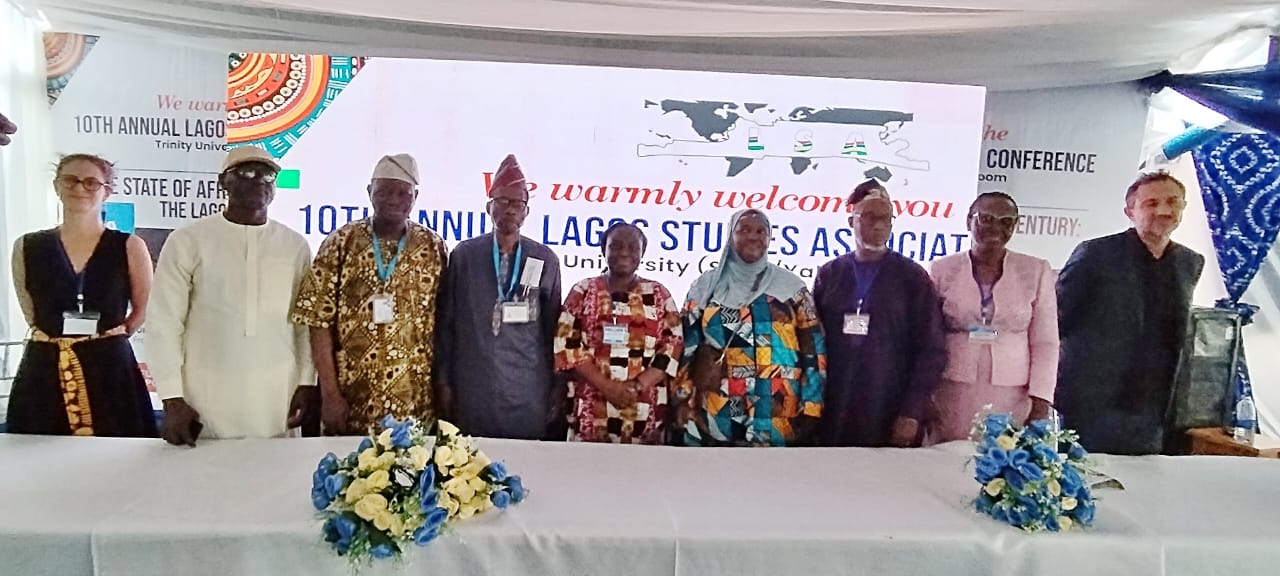
The call was made during the 10th annual Lagos Studies Association (LSA) Conference themed, “The State of African Studies in the 21st Century: The Lagos Studies Association at 10,” hosted by Trinity University, Lagos.
Speaking at the conference, Research Director at the Centre for International Studies, Laurent Fourchard, urged African academics and students to dedicate more time and effort to rigorous research.
READ ALSO: Kogi: University Honours Okundaye with African Heritage Institute
”I urge academics and students in Africa to do more proper research. Try to spend a lot of time to understand the rationale, ideas and make observations. Many students have the interest, but often lack the patience, time and commitment required for quality research,” Fourchard said.
According to him, thorough research remains critical to generating credible knowledge, addressing societal challenges and strengthening Africa’s contribution to global scholarship.
Also speaking, President of the Lagos Studies Association and convener of the conference, Professor Saheed Aderinto, said this year’s gathering was the largest in the association’s history, featuring more than 340 academic panels and scholars from different parts of the world.
Address Debates in African Studies
Aderinto noted that the conference was designed to address key debates in African Studies, particularly issues relating to knowledge production and access to information.
”We are not only increasing access to knowledge, we are also diversifying the knowledge system,” he said.
Aderinto stated that partnerships such as the one with Trinity University has helpd to strengthen intellectual development and knowledge dissemination across the continent.
Greater Global Engagement
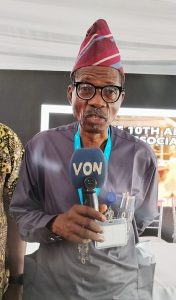
In their remarks, Vice-Chancellor of Trinity University, Professor Clement Kolawole, and Graceful Onovughe Ofodu, Professor of English Language Education, emphasised the need for greater global engagement with Africa.
They noted that the continent’s vast human and natural resources make it indispensable to global development.
”The world is now realising that it cannot move forward without Africa’s immense potential,” Kolawole said.
According to Professor Kolawole, platforms such as the Lagos Studies Association conference provide opportunities for scholars to engage in critical conversations that shape Africa’s interests, values and future.
The week-long conference brought together scholars from across the globe to examine the state of African Studies in the 21st century and explore ways of strengthening research, knowledge production and intellectual exchange.
The event also featured cultural performances showcasing Nigeria’s rich ethnic diversity and cultural heritage.