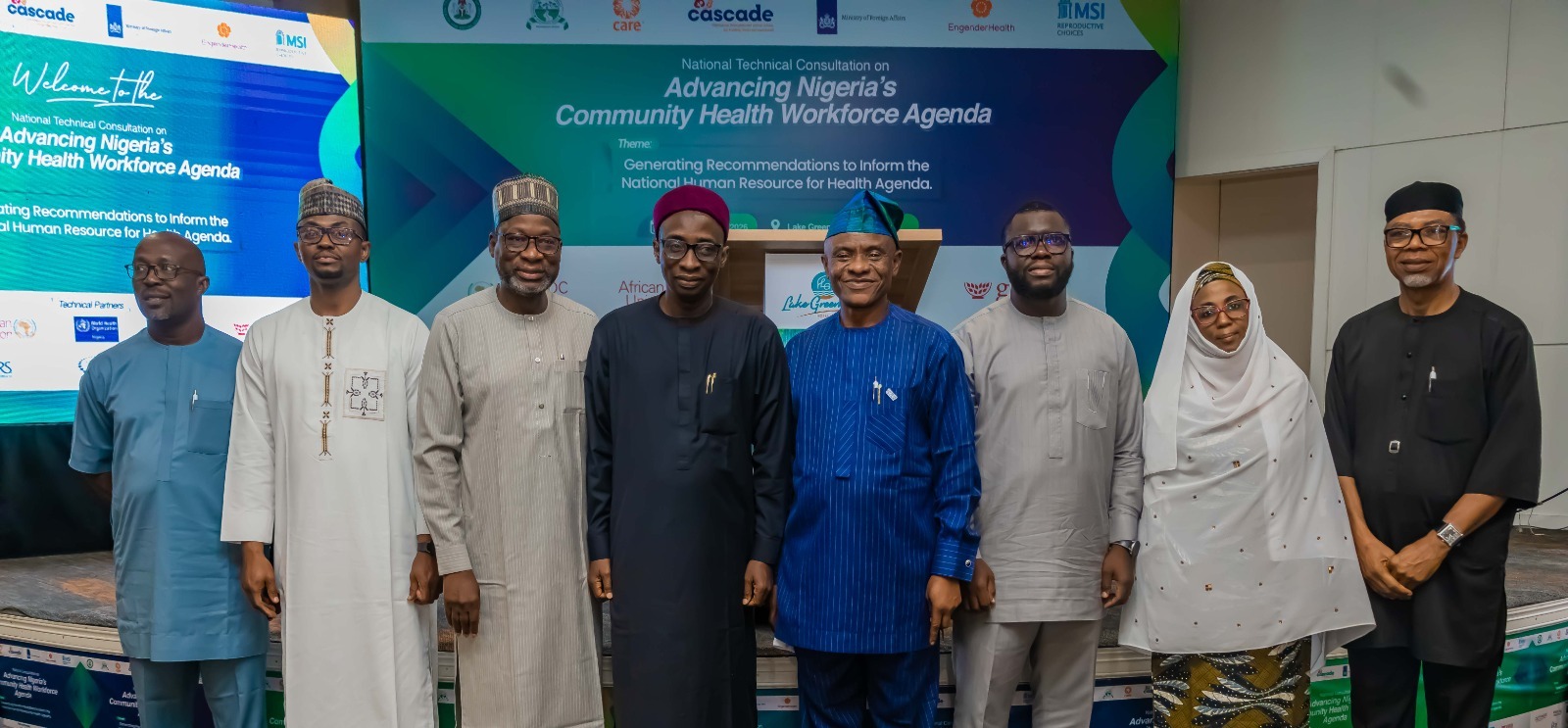
Stakeholders in Nigeria’s health sector have called for urgent reforms to ensure sustainable financing, professionalisation and stronger institutional support for community health workers to strengthen primary healthcare delivery and advance universal health coverage.
The call was made at a National Consultation on Advancing Nigeria’s Community Health Workforce Agenda, organised by CARE Nigeria and other development partners in collaboration with the Federal Ministry of Health and Social Welfare in Abuja.
Country Director, CARE Nigeria, Dr Hussaini Abdu, said community health workers had for decades remained a critical link between families and the formal health system, particularly in underserved communities.
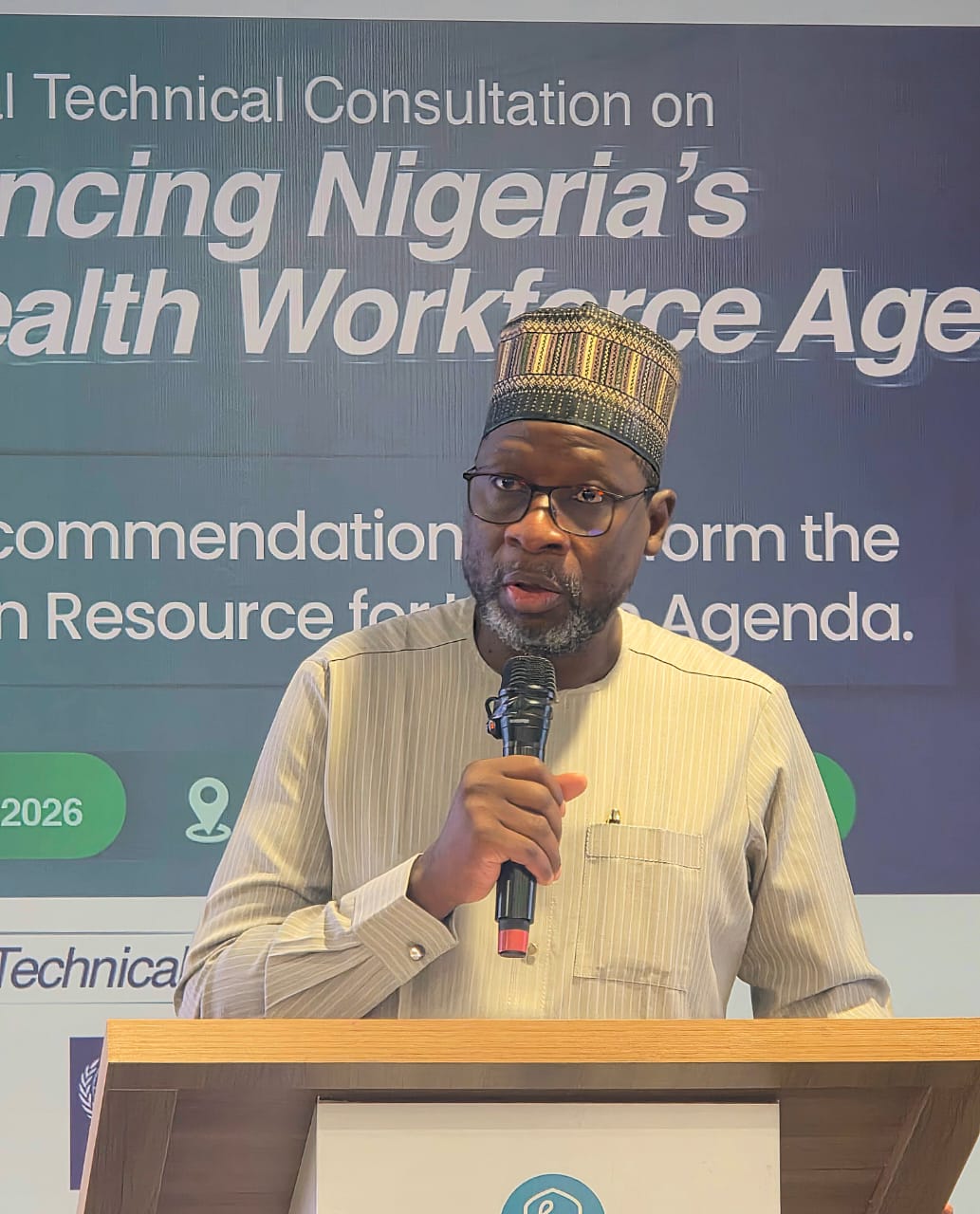
He, however, noted that the workforce remained “underfinanced, underinstitutionalised, and insufficiently harmonised”, with inconsistent remuneration, supervision, data systems and career pathways undermining its effectiveness.
Abdu said countries that had deliberately invested in their community health workforce had recorded measurable gains in maternal and child survival, disease surveillance and the resilience of their health systems during emergencies.
Technical Officer, Human Resources for Health, WHO, Olumuyiwa Ojo, said the consultation was timely, following the completion of a national health labour market analysis examining the demand and supply of health workers, as well as the fiscal space required to absorb them.
Ojo said the recommendations from the consultation should feed into Nigeria’s Human Resources for Health policy and strategic plan, stressing that community health workers remained critical to primary healthcare delivery.
Representing the Federal Ministry of Health and Social Welfare, Director and Head of Health Planning, Research and Statistics, Dr John Ovuoraye, said government could not reform the health workforce alone and required coordinated action from all stakeholders.
Ovuoraye said about 80 per cent of Nigerians patronised primary healthcare services, compared with about 20 per cent who used tertiary facilities, stressing the importance of making healthcare accessible to all.
“The health should be even. That is health for everyone, health for all Nigerians,” he said.
He identified certification, adequate staffing, insecurity, functional health posts and stronger coordination as key issues requiring attention, while highlighting government efforts to expand functional primary healthcare centres and improve access through capitation and other incentives.
Director, Primary Health Service Delivery, National Primary Health Care Development Agency, Pharmacist Mohamed Mohamed, said policy overlaps needed to be addressed to improve the effectiveness of the community health workforce.
READ ALSO: Anambra Expands Adolescent Healthcare Services
“We have a lot of good policies with good intentions; actually, the thing we should look at is the logic around those policies,” he said.
Director, EngenderHealth, Dr Aliyu Atta, described community health workers as “indispensable,” calling for a shift from short-term, project-based deployments to a structured, recognised, empowered and gender-responsive workforce.
Similarly, Director of Clinical Services, MSI Nigeria Reproductive Choices, Dr Kingsley Odogwu, said the conversation was long overdue, citing gaps in human resources across public health facilities and communities.
The consultation, themed “Generating Recommendations to Inform the National Human Resources for Health Reform Agenda,” is expected to produce a national communiqué, policy recommendations for human resources for health reform, priorities for strengthening the National Community-Based Health Worker Programme and a framework for sustained multi-stakeholder engagement.
Key areas of focus include sustainable financing, workforce protection, training, career progression, professionalisation, digital systems, supervision, governance and accountability.
Katsina State’s digital workforce-management experience was also highlighted as an innovation that could provide lessons for wider adoption.
Inputs from government representatives, development partners, UN agencies, professional associations, civil society organisations, academia and health-sector experts are expected to help build consensus on policy, financing and implementation priorities.