Leaders, development partners and stakeholders across Nigeria’s North-West have prioritised the inclusion and welfare of children and young people in efforts to reduce multidimensional poverty.
They called for stronger social protection systems and sustained investment in human development.
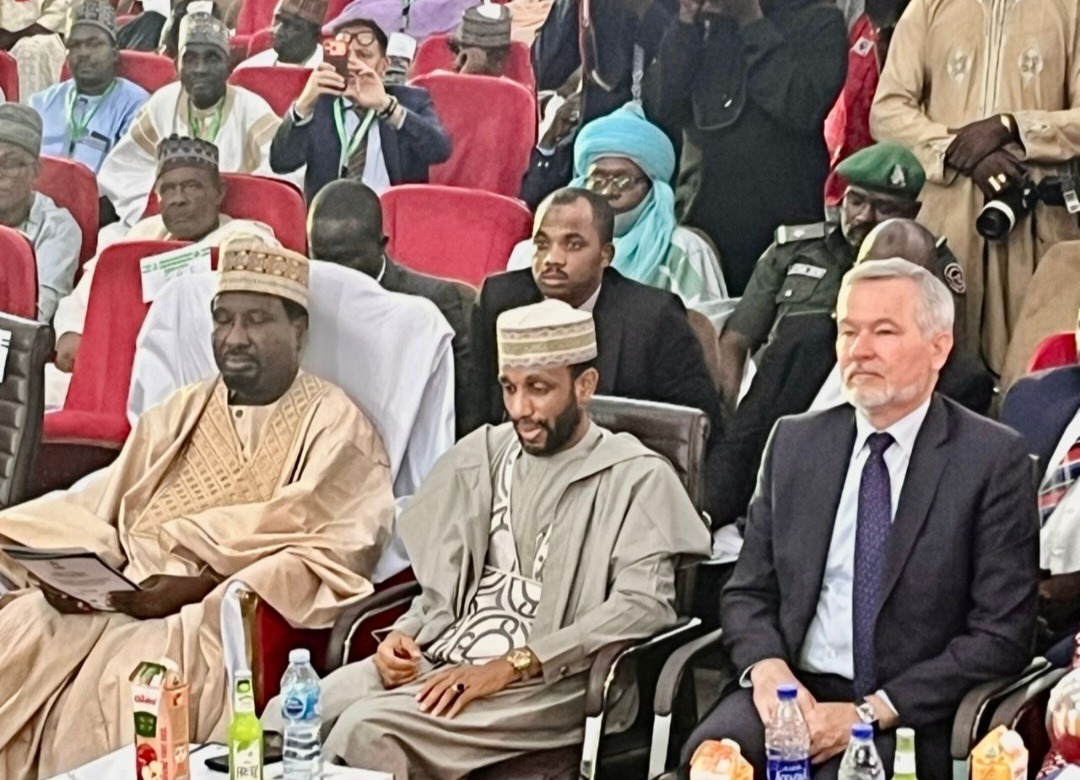
The commitment was made at the High-Level North-West Policy Dialogue on “Reducing Multidimensional Poverty through Innovative Financing and a Scaled Social Protection System” held at the Kano State Government House.
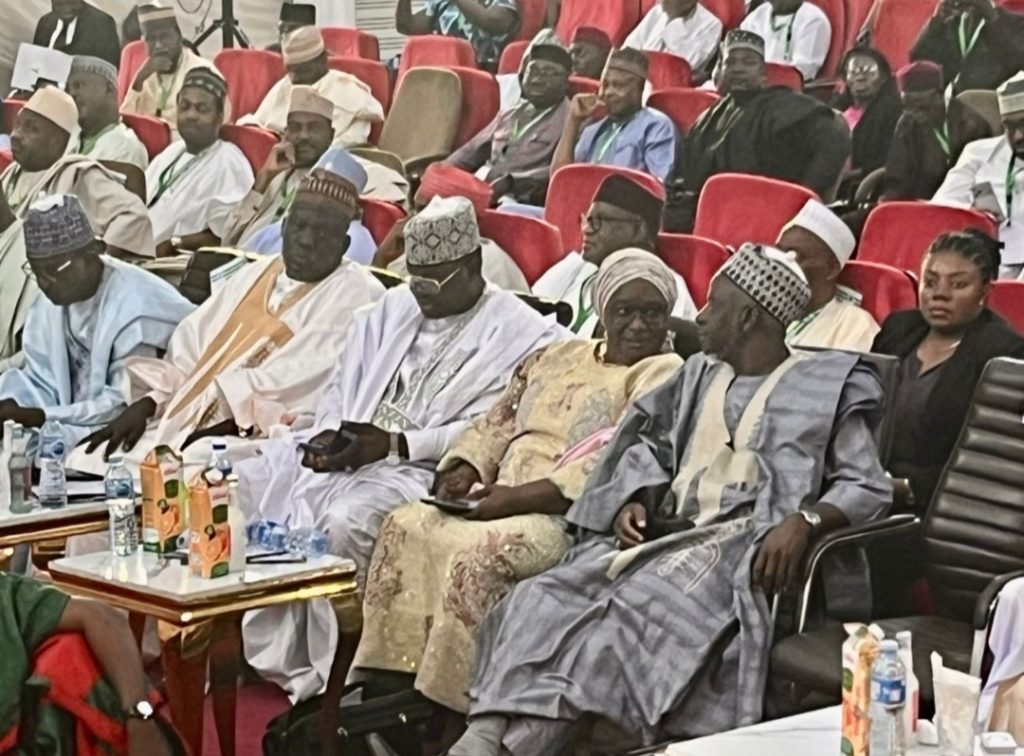
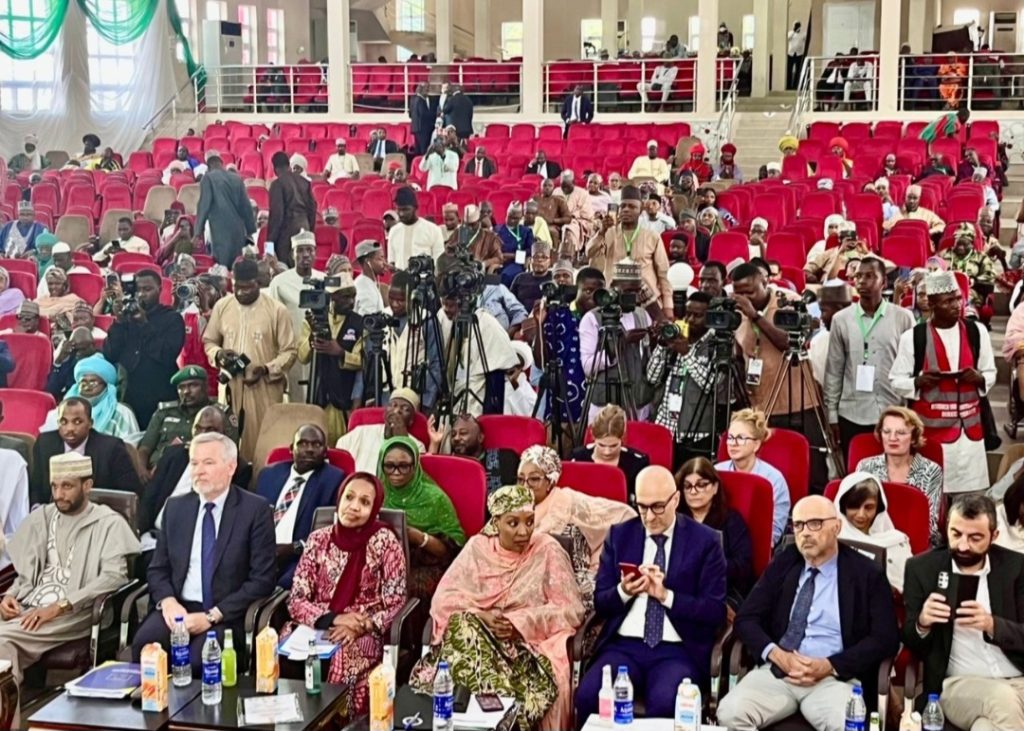
The dialogue brought together government officials, traditional rulers, development partners, experts and civil society representatives to discuss strategies for addressing poverty challenges affecting millions of people across the region.
Representing Vice President Kashim Shettima at the event, the Deputy President of the Senate, Senator Barau Jibrin said “poverty extends beyond a lack of income and continues to affect access to education, healthcare, nutrition and opportunities for families and children.”
He noted that despite the North-West’s vast potential in agriculture, commerce and enterprise, the region continues to face challenges including insecurity, poor health outcomes, learning gaps and malnutrition.
Barau said the Nigerian Government recognised the need for a sustainable social protection system capable of protecting vulnerable citizens and reducing the impact of economic shocks on households.
He highlighted the proposed Universal Child Benefit initiative as a key intervention that could support families, improve children’s welfare, increase school participation and strengthen access to basic services.
“The child is the most honest measure of any society. When a child is hungry, the future is hungry; when a child is out of school, the nation is out of position,” he stressed.
In his keynote address, the Emir of Kano, Muhammadu Sanusi II, described poverty indicators across the region as a major concern and urged leaders to translate discussions into practical solutions.
Sanusi said; “social investments should be viewed as long-term development strategies rather than charity,” noting that protecting vulnerable citizens contributes to economic stability, peace and regional growth.
He called on governments in the North-West to develop sustainable social investment plans focused on early childhood development, education, healthcare, youth empowerment, women’s literacy and support for persons with disabilities.
The Monarch also advocated the use of Islamic social finance instruments, including Zakat and Waqf, to complement government efforts in supporting disadvantaged communities.
He further highlighted the importance of traditional institutions in identifying vulnerable households, strengthening community support systems and promoting girls’ education, maternal health and child welfare.
“We must tell ourselves the truth about where we stand, celebrate what works and commit ourselves to measurable progress,” he urged.
For her part, the UNICEF Country Representative in Nigeria, Wafaa Saeed Abdelatef, reaffirmed the organisation’s commitment to supporting initiatives aimed at improving the lives of children across the country.
She noted that the North-West remains critical to Nigeria’s development because one out of every four Nigerian children lives in the region, saying progress in the zone would have wider national and continental implications.
According to her, effective social protection systems are essential for helping families withstand economic, security and climate-related challenges while preventing harmful coping mechanisms during difficult periods.
“By investing in children and young people today, we strengthen the foundations for sustainable development and inclusive growth tomorrow,” she emphasised.
Participants at the dialogue agreed on the need for stronger partnerships among federal and state governments, development organisations, traditional institutions and communities to ensure the successful implementation of poverty reduction programmes.
The meeting is expected to produce a framework for financing, monitoring and delivering social protection interventions aimed at improving livelihoods, expanding opportunities for children and young people, and reducing multidimensional poverty across the North-West.