Global climate discussions have long focused on reducing greenhouse gas emissions, limiting global warming, and mobilising resources for climate action.
As the world prepares for COP31 in Antalya, Türkiye (November 9–20, 2026), attention is shifting to how commitments can deliver practical solutions that improve lives and support sustainable development.
For Africa, success will be judged by how effectively, climate policies address persistent energy challenges. The continent faces electricity access gaps, unreliable supply, and high costs that constrain businesses and productivity. Yet, African countries are striving to expand economies, create jobs, reduce poverty, and accelerate industrialisation. Energy access is therefore central to development.
READ ALSO; Nigeria Strengthens Power Sector Transparency, Accountability
Reliable and affordable electricity is essential for manufacturing, agriculture, healthcare, education, telecommunications, and digital enterprises.
Transitioning to cleaner energy is not only a climate imperative but also an economic opportunity.
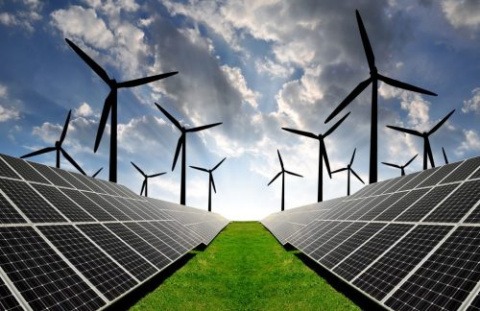
Solar, wind, hydropower, energy efficiency, battery storage, clean cooking, and emerging technologies can expand access while reducing emissions. But, the transition must go beyond installations: It should strengthen local industries, build technical capacity, encourage technology transfer, and integrate African businesses into the clean‑energy value chain.
Nigeria illustrates this opportunity; With enormous energy needs and dependence on oil and gas, millions of households and businesses still lack reliable electricity. Yet Nigeria has vast potential in solar, gas, mini‑grids, clean cooking, and efficiency.
Its Energy Transition Plan provides a framework for net‑zero emissions while addressing poverty reduction, job creation, and economic growth. The plan highlights investment needs across power, cooking, transport, industry, and oil and gas. COP31 offers Nigeria a chance to present credible projects that attract investment and deliver measurable outcomes.
Investment in generation, transmission, distribution, renewable energy, storage, and efficiency, can improve supply and support economic activity.
Industries would reduce reliance on costly diesel, lowering operating costs and boosting competitiveness. Small businesses could increase productivity, extend hours, and expand. Clean energy is thus tied directly to industrialisation: Africa cannot achieve sustainable growth without adequate energy.
The challenge is not the absence of projects but difficulty in converting them into bankable investments. High financing costs, currency risks, inadequate infrastructure, regulatory uncertainty, and limited access to affordable long‑term capital often delay implementation.
COP31 must therefore focus on climate finance that is accessible, predictable, and suited to developing economies. Commitments should be measured by capital reaching projects and communities, not just by pledges.
The private sector will play a vital role. Governments alone cannot provide the required capital. Banks, investors, energy companies, and technology firms have resources and expertise to accelerate clean‑energy investments. Policies that encourage private participation while supporting local businesses are essential.
Employment is another critical dimension. Africa’s growing population needs an energy transition that creates opportunities, especially for youth.
Renewable energy, efficiency, clean cooking, electric mobility, battery storage, and manufacturing can generate demand for engineers, technicians, installers, researchers, and entrepreneurs. For Nigeria, linking climate action with job creation can strengthen industrial capacity and address unemployment.
Africa’s transition must also reflect development realities. Developed economies have greater financial and technological capacity, while many African countries are still working to provide basic electricity and infrastructure. A sustainable global framework must allow developing nations to pursue growth while progressively reducing environmental impact. This requires international cooperation, affordable finance, technology access, and strong domestic policies.
Adaptation remains crucial. Flooding, drought, extreme heat, and shifting rainfall already affect agriculture, water, infrastructure, and livelihoods. Investment in resilient electricity networks, water systems, healthcare, and urban planning will be necessary to protect communities and economic assets.
As delegates gather in Antalya, COP31 offers Africa the chance to link climate action with development. Success should be measured not only by emissions targets or pledges but by expanded electricity access, investment, industrialisation, job creation, and resilience.
For Nigeria, the energy transition can drive economic development rather than simply respond to climate change. Africa does not need to choose between growth and climate action- it needs a pathway that expands energy access, builds industries, creates jobs, and improves living standards while moving toward cleaner systems.
The real test of COP31 will be whether promises translate into investments, infrastructure, electricity, industries, and opportunities.