
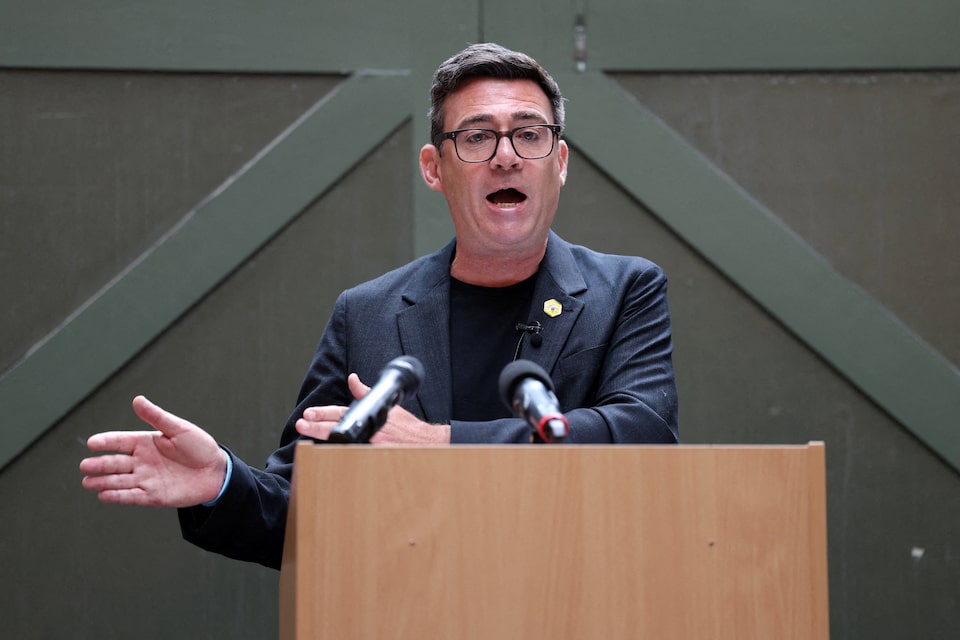
Andy Burnham is expected to face a £4.7 billion ($6.2 billion) defence funding shortfall if he becomes Britain’s prime minister later this month, forcing difficult decisions on spending cuts, tax increases or borrowing.
Prime Minister Keir Starmer on Tuesday unveiled a long-awaited defence strategy to prepare Britain’s armed forces for growing security threats, including warnings that Russia could attack a NATO member by 2030.
The plan promises an additional £15 billion in defence spending, but government documents show that about one-third of the funding has yet to be identified.
“It’s not unusual for governments to make announcements saying this is what we’ll spend, and then to complete the details of that at the next budget,” Luke Pollard, minister of defence procurement, told newsmen on Wednesday.
Pollard said Burnham, who is widely expected to succeed Starmer, would prioritise national security, adding: “I know that if Andy Burnham becomes the prime minister … that he will take national security as seriously as Keir has taken it.”
The plan has also been criticised for not specifying when defence spending will reach 3% of GDP on the way to Britain’s NATO target of 3.5% by 2035.
Starmer said the extra funding would largely come from reallocating money from other government departments, though the proposal has sparked concern over cuts to road and energy projects.
READ ALSO: Keir Starmer Resigns as UK Prime Minister
The Institute for Fiscal Studies (IFS) warned that the next prime minister would face difficult fiscal choices.
“There will be further impacts on other areas of spending, tax or borrowing on top of those set out in today’s announcements – implying one key early decision for the next prime minister,” the IFS said.
“Defence spending will likely remain one of the biggest fiscal pressures facing the UK in the medium term,” it added, estimating that meeting the 3.5% target by 2035 would require an extra £25 billion annually.
Reuters

 defence funding shortfall if he becomes Britain's prime minister...)