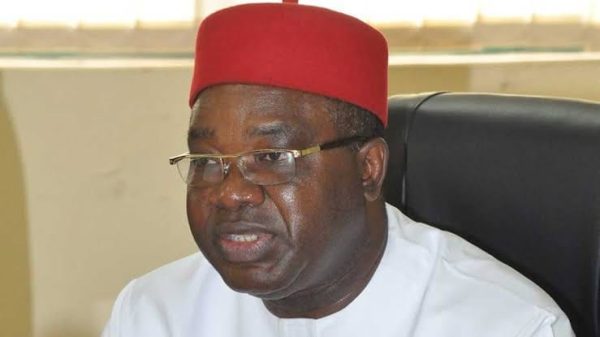
The National Human Rights Commission (NHRC) has called for the urgent establishment of State Police in Nigeria, saying decentralised policing would improve security, reduce response times and strengthen the protection of citizens’ rights.
NHRC Executive Secretary, Dr Anthony Ojukwu, made the call in Port Harcourt during a panel session at the 66th Annual General Conference of the Nigerian Bar Association (NBA), themed “Beyond Limits.”
Ojukwu said Nigeria’s centralised policing system was struggling to respond promptly to security threats across the country, warning that citizens should not remain vulnerable while waiting for distant security interventions.
- READ ALSO: Nigerian Senate Passes State Police Bill
“If you don’t have State Police, you can never have adequate security,” he said.
He noted that Nigeria’s large population was being policed by an inadequate number of personnel, stressing that the situation had contributed to slow responses to security challenges.
The NHRC chief said State Police would bring law enforcement closer to communities and improve operational effectiveness, as officers would have better knowledge of local terrain and communities.
“With State Police, the governors will have the wherewithal to respond quickly,” Ojukwu said. “The police will be more effective because they know the terrain; they know the people.”
Nigeria currently operates a centralised policing structure under the Nigeria Police Force. However, proposals for decentralised policing would give states greater responsibility for addressing local security challenges.
Ojukwu, however, stressed that the establishment of State Police must be accompanied by strong human rights safeguards and accountability mechanisms.
He warned that increased control of policing at the state level could create opportunities for political abuse without effective oversight.
The NHRC executive secretary urged lawmakers to ensure that any legislation establishing State Police contained clear provisions for accountability and independent oversight to prevent unlawful arrests, torture and political intimidation.
“We must insist that when the National Policing Bill comes, it must be well drafted,” he said. “There must be a board that runs it. There must be oversight. Otherwise, it will become another problem.”
Ojukwu also said effective policing should go beyond arresting suspects, stressing that security agencies must respect human dignity, due process, the rule of law and fundamental rights.
He urged lawyers and citizens to demand accountability from security agencies and challenge unlawful practices.
“Lawyers should be the people to insist on the right thing to do. Don’t let them abuse power. We have to watch them,” he said.
According to him, security and human rights should not be treated as competing priorities, as sustainable security requires legality, professionalism, accountability and respect for fundamental rights.
Ojukwu said persistent insecurity and delayed responses had weakened public confidence in security institutions, leaving many Nigerians feeling that their safety depended more on chance than an effective security system.
“Our people live by God’s grace because the system is not working. That must change,” he said.
He urged stakeholders to support policing reforms that would strengthen security while protecting citizens from abuses of police power.
“It is time to go beyond limits and give Nigerians the security they deserve; securely, effectively and accountably,” Ojukwu said.