For businesses, industries and households across Lagos State, reliable electricity depends not only on the amount of power generated but also on the capacity of the transmission network to move bulk electricity to areas where it is needed.
The Nigerian Government is seeking to address some of these constraints through investments in transmission infrastructure, including the expansion and rehabilitation of substations in strategic economic and commercial corridors.
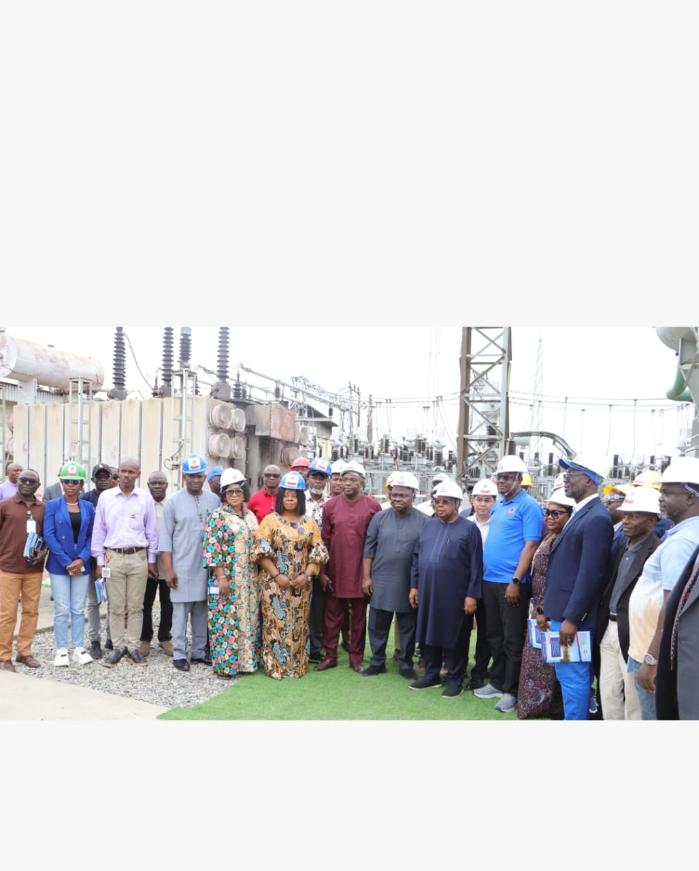
At the centre of the latest intervention are transformer projects commissioned across four Transmission Company of Nigeria (TCN) substations in Apapa, Ijora, Alausa and Lekki.
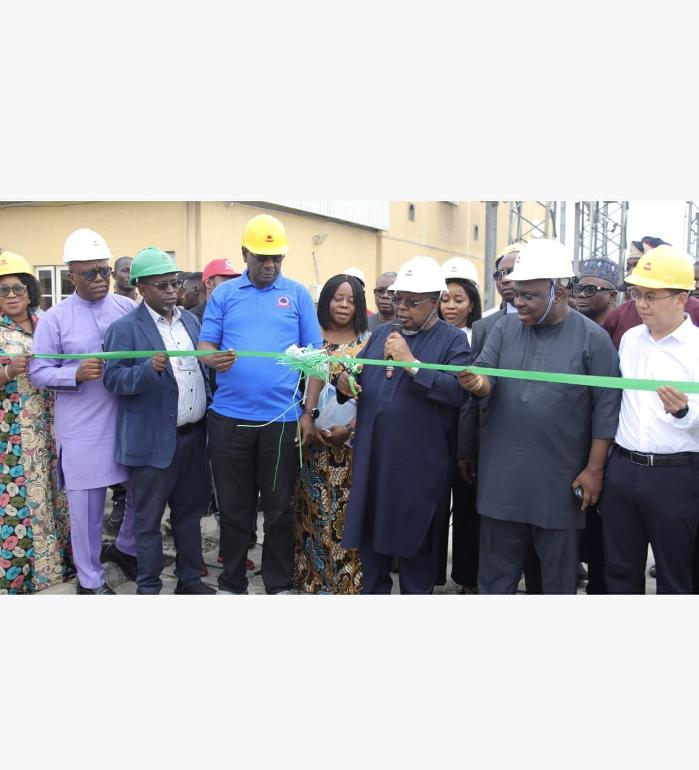
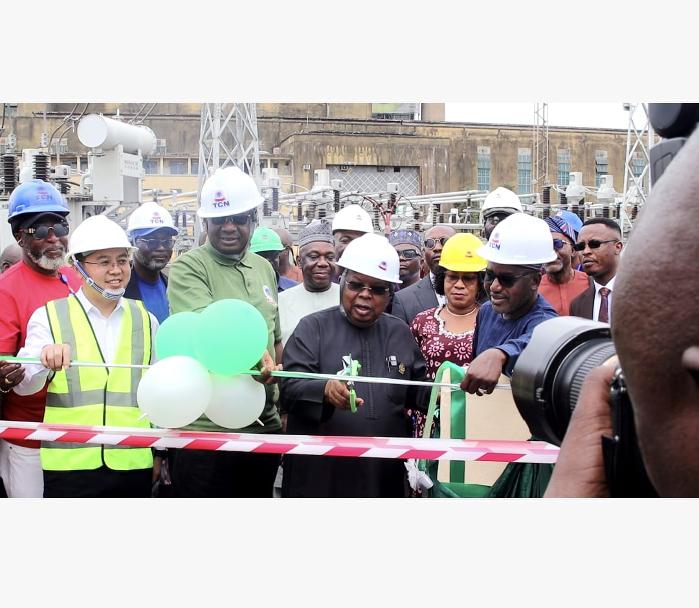
The projects, commissioned by the Minister of Power, Chief Joseph Olasunkanmi Tegbe, on August 17 and 18, 2026, are intended to increase bulk power availability, strengthen transmission capacity and support economic activities across Lagos.
Strengthening The Transmission Backbone
The projects include two 60MVA transformers at the Apapa Transmission Substation, two 100MVA transformers at Ijora, a 100MVA transformer at Alausa, and a 300MVA transformer alongside two 60MVA transformers at Lekki.
Together, the projects represent 840MVA of new transformer capacity brought into service across the Lagos transmission network.
The additional capacity is expected to provide more bulk electricity for the Eko and Ikeja Electricity Distribution Companies to take from the transmission network and distribute to consumers within their franchise areas.
For the government, however, the projects are about more than increasing the number of transformers in service. They form part of an effort to remove transmission bottlenecks in areas where electricity demand is closely linked to industrial, commercial and residential growth.
Lekki And The Demand For New Capacity
One of the most significant interventions is at the Lekki Transmission Substation.
Lekki has become an important economic corridor, with expanding industrial, commercial and residential developments increasing demand for infrastructure, including electricity.
The upgrade has increased transformer capacity at the 330/132kV level from 300MVA to 600MVA. At the 132/33kV level, capacity has also risen from 120MVA to 240MVA.
The project also delivered nine new 33kV feeders to improve the evacuation of bulk power into the Eko Electricity Distribution Company network.
The additional feeders are important because increasing transformer capacity without adequate facilities to evacuate the power could leave part of the investment underutilised.
For the Minister of Power, the significance of the Lekki intervention lies in the relationship between infrastructure and economic growth.
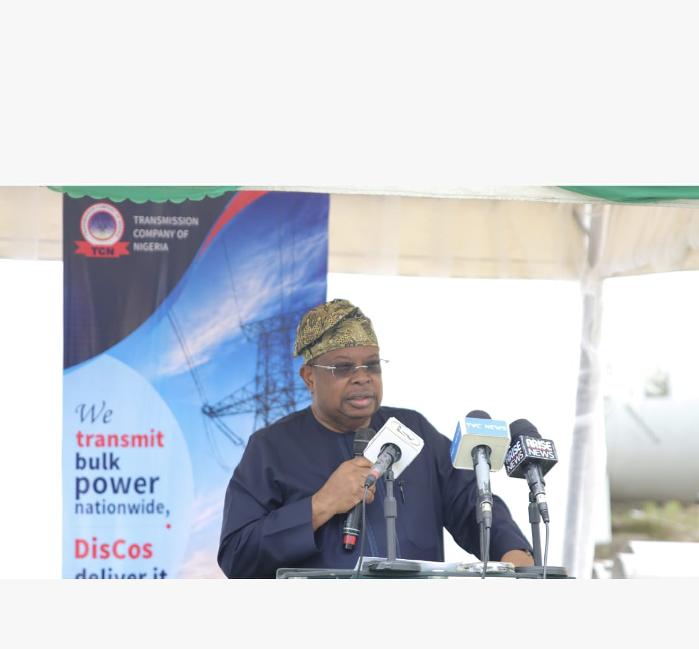
He described the area as one of Nigeria’s fastest-growing economic corridors and said electricity infrastructure could not be treated as an afterthought as investment and commercial activities expand.
More Power For Alausa
At the Alausa Transmission Substation, a new 100MVA, 132/33kV transformer has increased the substation’s total transformation capacity from 135MVA to 205MVA.
The project provides an additional 80MW of bulk power for Ikeja Electricity Distribution Company to supply consumers within its franchise area.
Alausa and the wider Ikeja axis contain government institutions, businesses, markets, industries and residential communities, making reliable electricity important to a wide range of economic activities.
The TCN Managing Director and Chief Executive Officer, Engr. Sule Ahmed Abdulaziz, said the project would also provide more stable and reliable electricity to about 70,000 residents in Alausa and adjoining areas.
The project was executed by Shanghai Electric under a World Bank-funded initiative that commenced in January 2021.
Reinforcing Apapa’s Industrial Corridor
Apapa presents a different transmission challenge because of its concentration of industrial and commercial activities.
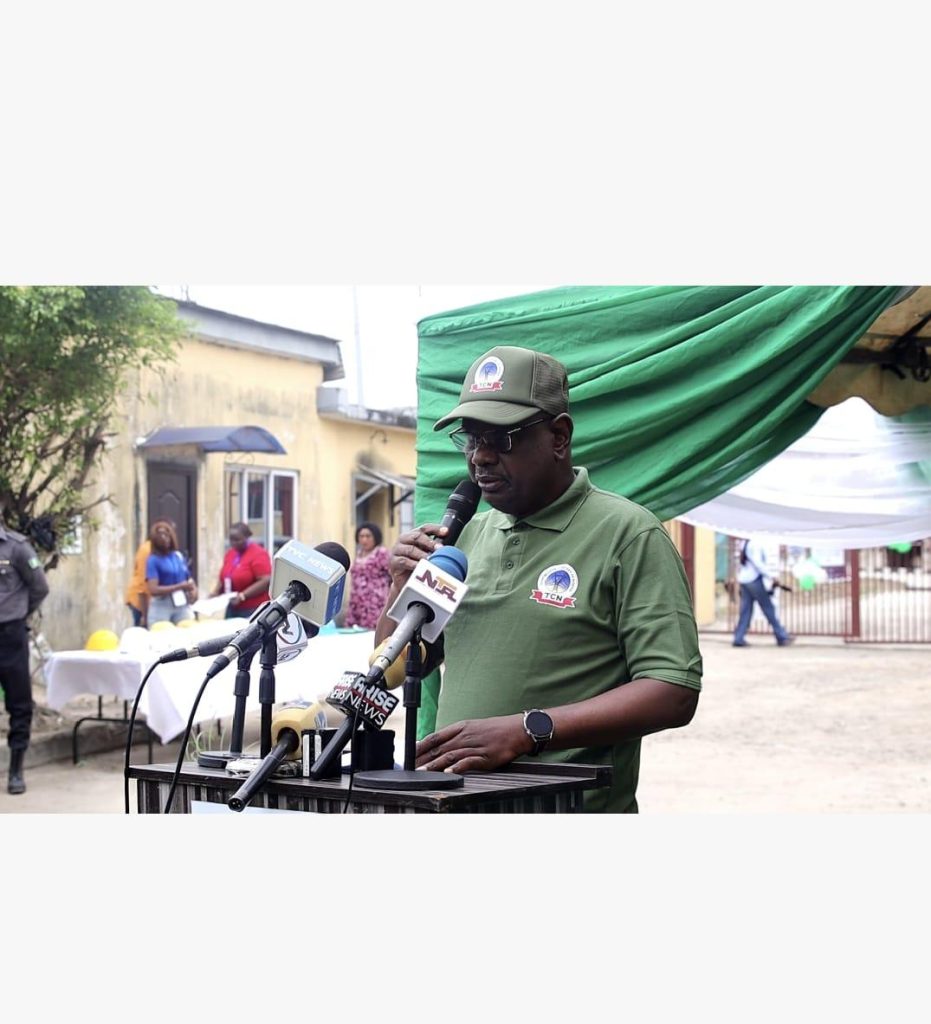
On August 17, the Minister commissioned a new 2x60MVA Gas Insulated Substation at the Apapa Transmission Substation.
The project was delivered by the Japan International Cooperation Agency (JICA) under its Official Development Assistance programme.
The facility includes modern Gas Insulated Switchgear, two 60MVA, 132/33kV transformers, a new control building, protection and control systems, substation automation and SCADA infrastructure.
The intervention increases bulk power availability in the Apapa axis by about 96MW.
According to TCN, the additional capacity is expected to improve electricity supply to Apapa Causeway, Ijora, Amukoko, Ajegunle, Apapa Wharf, Tin Can Island and other commercial areas within the Eko Disco franchise.
These locations are important to Lagos’ industrial and logistics economy, meaning improvements in electricity reliability could have wider implications for businesses operating in the corridor.
Replacing Ageing Equipment At Ijora
At Ijora, the focus has been both on increasing capacity and replacing older equipment.
Two existing 30MVA transformers were replaced with two modern 100MVA, 132/33kV transformers.
The intervention increased the total installed capacity of the Ijora Substation from 90MVA to 230MVA, equivalent to about 184MW, while adding approximately 112MW of transmission capacity.
The upgrade is expected to improve power supply to Ijora, Costain, Oyingbo, Customs and adjoining communities.
It is also expected to support commercial activities and electricity consumers within the Eko Electricity Distribution Company franchise.
The intervention demonstrates the importance of replacing ageing transmission assets as electricity demand grows and existing infrastructure comes under increasing pressure.
Beyond Adding Transformers
The Lagos projects form part of a broader approach by TCN to expand and modernise Nigeria’s transmission network.
According to the TCN Managing Director, the company is focused on reducing technical losses, improving grid stability and building a network capable of meeting growing bulk electricity demand.
He also appealed for additional grant support for other critical sections of the transmission network, noting that continued investment would be required to sustain and optimise transmission operations across the country.
The projects have also relied on partnerships with development institutions, including JICA and the World Bank, highlighting the role of external financing in supporting major transmission infrastructure.
The Challenge Of Turning Capacity Into Supply
Increasing transmission capacity does not automatically guarantee uninterrupted electricity for consumers.
The additional bulk power must be effectively evacuated through distribution networks and ultimately delivered to homes, businesses and industries.
The performance of the distribution network, available generation, gas supply, system operations and other parts of the electricity value chain will therefore remain important in determining how much of the additional transmission capacity reaches end users.
For Lagos consumers, the real measure of the projects will be whether they translate into more reliable electricity supply and fewer constraints on businesses and industries.
For the Federal Government and TCN, the longer-term objective is to ensure that transmission infrastructure keeps pace with economic development and does not become a constraint on investment.
The Lagos projects illustrate the importance of targeting electricity infrastructure at areas where demand is growing rapidly and where improved power supply can support wider economic activity.
As TCN continues to expand and rehabilitate the transmission network across the country, the challenge will be to sustain investment, replace ageing infrastructure and ensure that new capacity is matched by adequate generation and distribution facilities.
Ultimately, the success of the projects will not be measured only by the number of transformers installed or the megawatts added to the transmission network, but by how effectively the additional capacity improves electricity delivery and supports the businesses, industries and communities that depend on it.