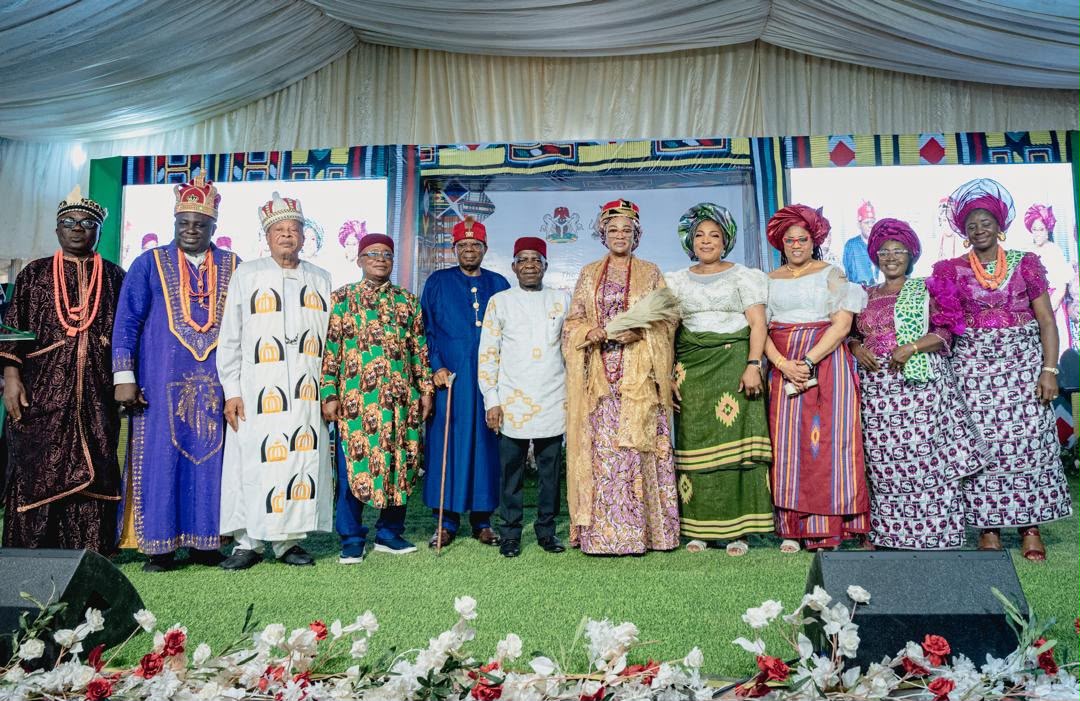
The First Lady of Nigeria, Senator Oluremi Tinubu has called for the preservation of the country’s rich cultural heritage, describing it as vital for posterity and national prosperity.
She made the call during a visit to Akwete in Abia State, home to the renowned handwoven Akwete fabric, one of Nigeria’s historic traditional textiles.
Mrs Tinubu said the Akwete weaving tradition remains a cherished heritage among the women who produce the fabric and stressed the need to encourage them to pass the skill on to younger generations.
The first lady said; “Our young people also need to be encouraged to embrace our traditions and cultural attire. It is the culture that raised me, and wherever I go in the world, I proudly wear African clothing.”
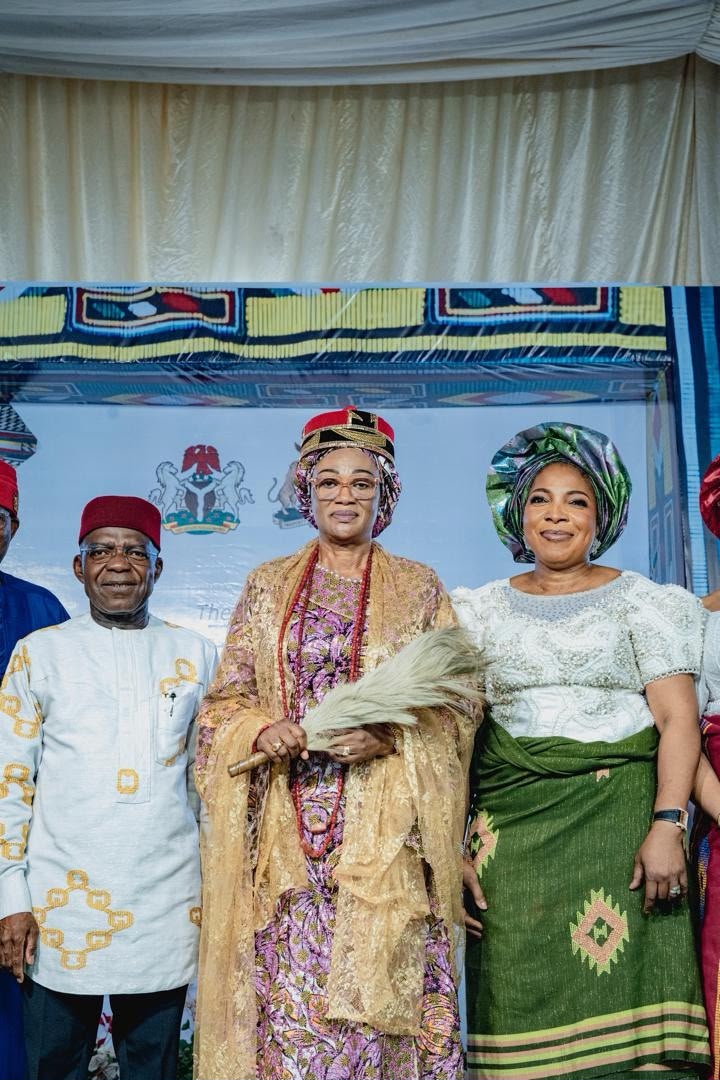
Mrs Tinubu noted that although the women hold the craft in high esteem and regard it as sacred, she was encouraged to see younger members of their families learning and practising the tradition.
“I love traditional outfits because our traditions and culture define who we are. The moment we lose them, we risk forgetting where we come from,” she said.
The First Lady commended the people of Akwete for preserving the craft and passing it down from one generation to another.
She said; “It is a sacred craft practised with love, patience and endurance, and it must not be desecrated. When we saw the building there, we agreed that it should be upgraded. We can build on it in a way that tells the story of this remarkable heritage.
“For the women of Akwete, I have heard your appeal. Today, I call on all Nigerians, especially the Igbo, to take Akwete fabric to the world. I also urge the notable sons and daughters of Igboland to rise and preserve this treasured heritage.”
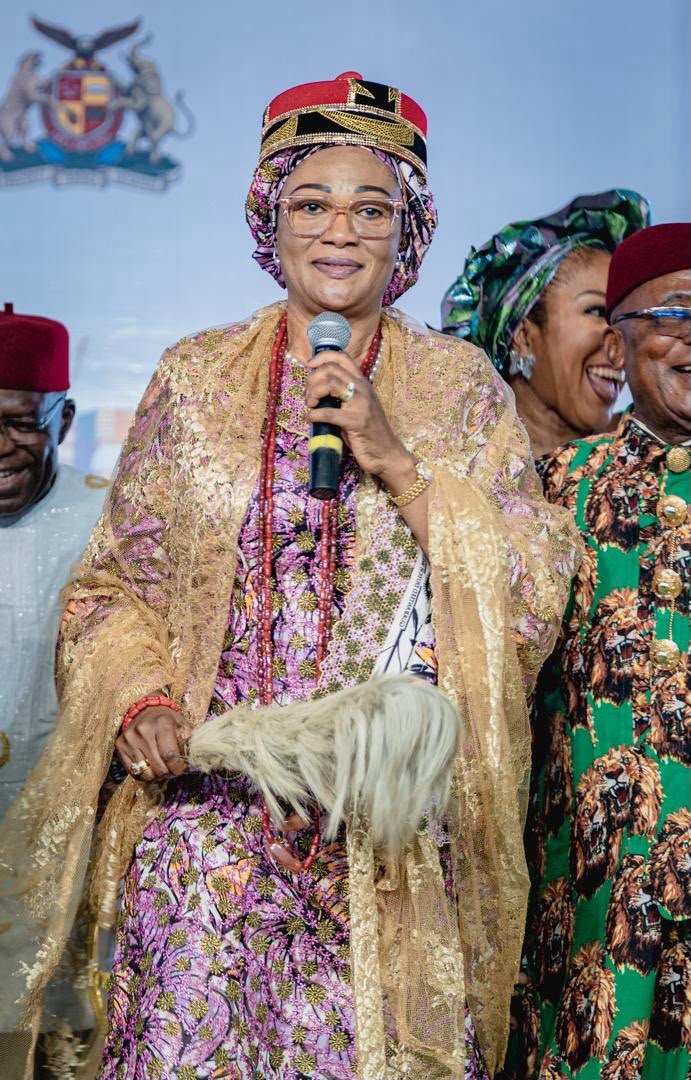
The First Lady subsequently announced a donation of N2 billion for the development of the Akwete production site in Abia State.
Mrs Tinubu was conferred with the chieftaincy title of Ugo Nwanyi of Abia.
She was received at the historic Akwete weaving community by Abia State Governor, Alex Otti, and his wife, Priscilla, alongside traditional rulers from across the state, prominent political leaders, members of the clergy, and other dignitaries.