Nigeria has recommitted to strengthening regional cooperation on water resources management, climate resilience and sustainable development across Africa.
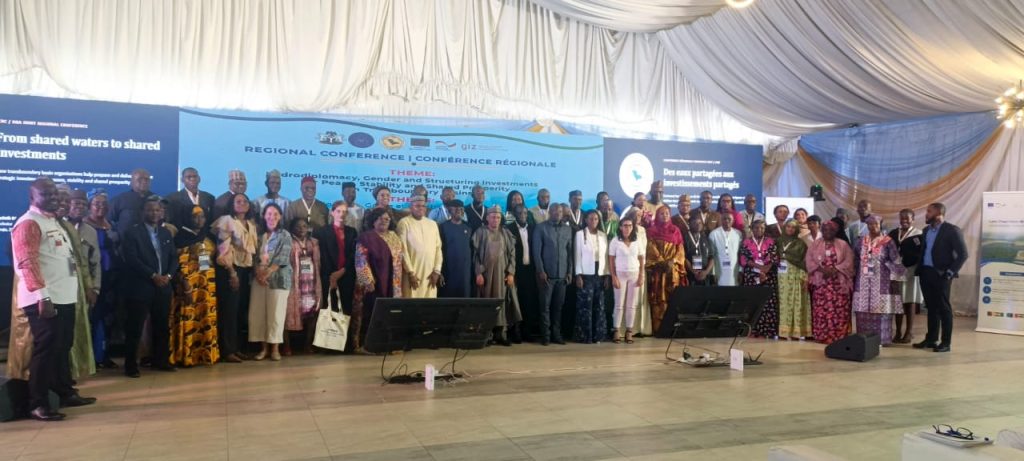
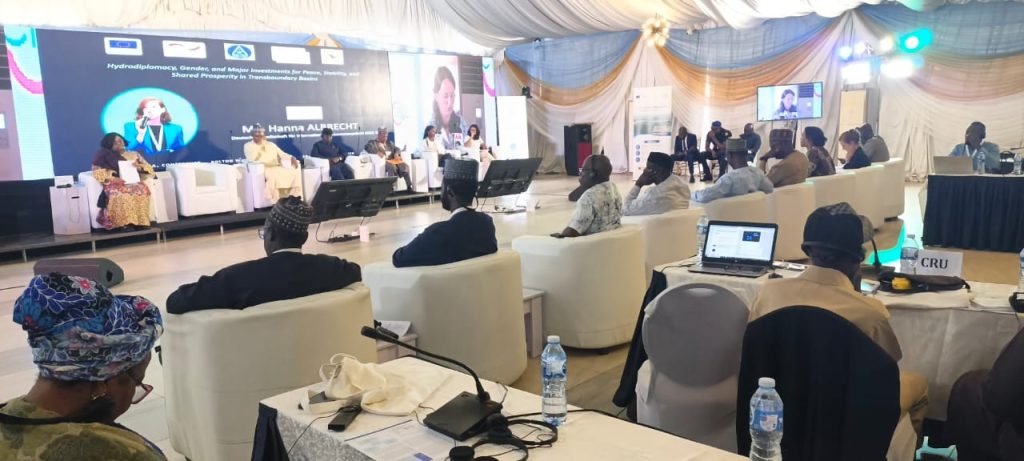
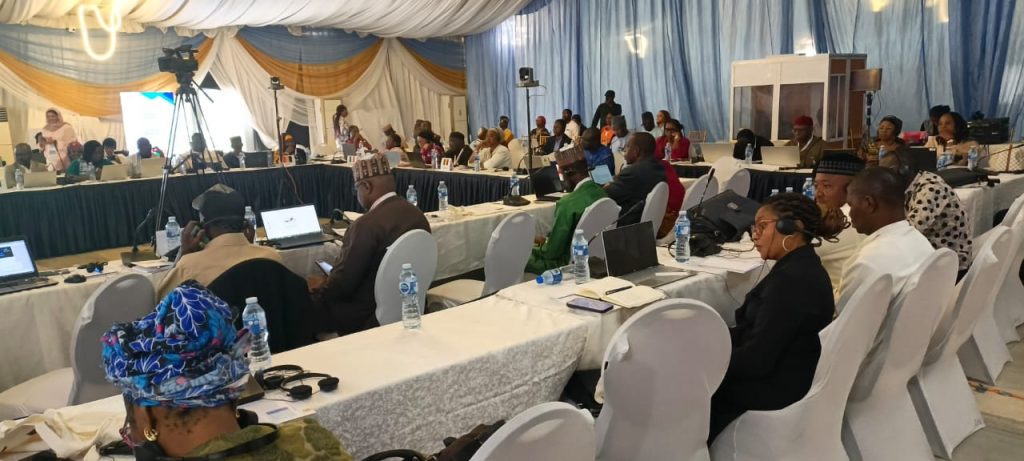
The Minister of Water Resources and Sanitation, Prof. Joseph Utsev, made the commitment at the opening of a regional conference on hydrodiplomacy, gender and strategic investments, jointly organised by the Niger Basin Authority (NBA) and Lake Chad Basin Commission (LCBC), held in Abuja, Nigeria’s capital.
Utsev stressed that Africa had a major responsibility to promote sustainable development through effective water resources management, climate resilience and adaptation, emphasising that regional cooperation would be critical to addressing challenges that cut across national boundaries.
READ ALSO: Nigeria Calls For Stronger Protection of Rivers
“As we seek to address social, environmental and economic challenges, I am therefore pleased that my participation at this conference will dovetail with and further validate the policy and strategic documents of the African Union and ECOWAS. These provide important frameworks for advancing equity, inclusion, peace and stability across the region,” Utsev explained.
The minister noted that the commitment was particularly important in implementing initiatives aimed at promoting peace, protecting communities, tackling climate change and advancing the continent’s economic development.
Utsev reaffirmed that Nigeria would continue working with the Niger Basin Authority, Lake Chad Basin Commission, ECOWAS, governments, financial institutions, civil society groups, communities and other stakeholders to promote what he described as a practical, inclusive and investment-oriented water agenda.
Speaking at the event, the Executive Secretary of the Niger Basin Authority, Mr Kocou Houanye, described the conference as an opportunity for countries and institutions within the two transboundary basins to strengthen dialogue, address shared challenges and promote sustainable development.
“The Niger and Lake Chad basins face ecological, socio-economic and security challenges, with large populations depending heavily on their natural resources for their livelihoods. The challenges underscore the need for stronger collaboration among member states and development partners to improve resilience and expand access to development opportunities,” Houanye stressed.
He expressed hope that the conference would produce practical recommendations for greater synergy among stakeholders and strengthen the role of the two basin organisations as platforms for regional dialogue.
While thanking the Nigerian Government and people for their hospitality and support for the conference, Houanye noted that Nigeria’s continued political, strategic, technical and financial support to the two transboundary basin organisations had contributed to regional cooperation.
The Executive Secretary of the Lake Chad Basin Commission, Ambassador Ibrahim Babani, disclosed that the organisation was strengthening the capacity of member states to assess water availability and demand through new tools designed to support better planning and management.
“Our focus is to strengthen the capacity of member states to assess water use and demand by mapping cropland types, determining crop water requirements, identifying areas with water deficits and surpluses, and mapping groundwater storage suitability to support optimal storage and supplemental integration,” Babani explained.
He disclosed that the information would be integrated into an interactive dashboard to be hosted at the Commission’s headquarters in N’Djamena, describing the initiative as part of efforts to respond to mounting global and regional water pressures.
Babani also stressed the importance of including women and young people in water governance, peacebuilding and decision-making, noting that the Commission’s work with governments, traditional leaders, civil society and development partners had highlighted the close links between water resources, security and livelihoods.
The representative of the Deutsche Gesellschaft für Internationale Zusammenarbeit (GIZ), Mrs Hanna Albrecht, commended the Niger Basin Authority and Lake Chad Basin Commission for sustaining dialogue and developing joint responses with their member states despite difficult conditions.
She observed that the experience of the two basin organisations demonstrated the role they could play in bringing states, institutions and communities together around common goals and practical development opportunities.
Albrecht explained that GIZ was honoured to support the efforts through its programmes with the NBA and LCBC, reaffirming its readiness to support the basin organisations and member states in developing coordinated responses.
She also pledged GIZ’s support, within its mandate and in collaboration with partners, for implementing the outcomes of the conference.
The representative of the National Focal Structure, Mrs Angela Keyede, noted that the conference offered an opportunity to strengthen the integration of gender considerations into hydrodiplomacy, strategic investment planning and implementation.