The National Sugar Development Council NSDC, says it is mobilising a $1 billion investment pipeline to accelerate Nigeria’s drive towards sugar self-sufficiency and retain about $1 billion currently spent annually on sugar imports within the domestic economy.
The Council is anchoring the drive on a $1 billion Engineering, Procurement and Construction, EPC, plus finance partnership with SINOMACH of China, alongside a ₦10 billion Sugar Project Acceleration Fund, established with the Bank of Industry (BOI).
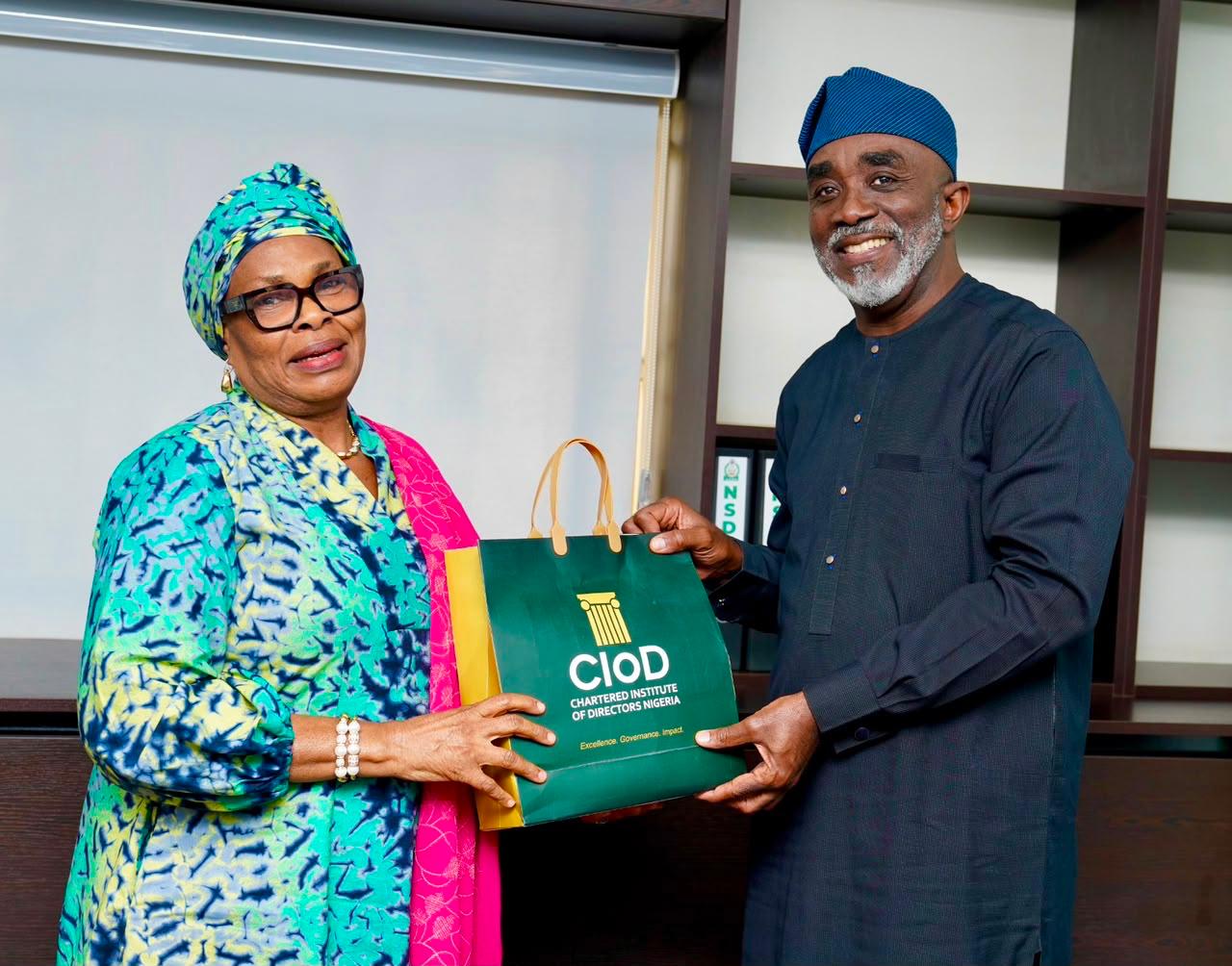
The Executive Secretary and Chief Executive Officer of the NSDC, Mr. Kamar Bakrin, disclosed this in Abuja while receiving members of the Abuja Chapter of the Chartered Institute of Directors, CIoD, on a courtesy visit to the Council.
Bakrin said Nigeria consumes about 1.8 million metric tonnes of sugar annually, with approximately $1 billion flowing to foreign producers each year.
READ ALSO: NSDC Seeks Reduction in Production Cost to Improve Manufacturing
He said the Council sees the import gap as a ready domestic market that can be captured by Nigerian producers through the Nigeria Sugar Master Plan NSMP 2.0.
“We don’t lack policy, what we have struggled with is world-class execution,” Bakrin said, stressing that the challenge was primarily one of governance and delivery rather than farming.
He described NSMP 2.0 as an “acceleration mandate” aimed at compressing Nigeria’s path to self-sufficiency and delivering about two million metric tonnes of locally produced sugar.
Beyond sugar production, Bakrin said the Council was working to develop sugarcane into the foundation of a broader bio-industrial ecosystem, capable of producing sugar, ethanol, animal feed and electricity.
We have been blessed with a crop that is one of the most generous God has ever made. From sugarcane you can get sugar, you can get ethanol, you can get animal feed, you can produce power.
“Our job is to build a bio-industrial ecosystem around it, this is not just about producing a commodity”, he said.
On enforcement, the NSDC Chief said, the Backward Integration Programme, BIP, had been rebuilt around four principles — qualify, reward, verify and enforce — to ensure that import quota privileges are matched by genuine domestic production.
Companies seeking import quotas must demonstrate commitment to backward integration, while major refiners would be required to provide audited production commitments tied to their quotas.
The Council is strengthening its internal systems through Standard Operating Procedures and Six Sigma methodology to establish standardised and sustainable processes.
I hold a very strong conviction that the difference between the countries that industrialised and those that did not rarely has to do with the quality of their plants.
“It is the quality of their institutions”, the Executive Secretary emphasised.
Earlier, the leader of the CIoD delegation, Mrs Fatima Mede, commended the NSDC leadership for the reforms being implemented in the sugar industry and the momentum towards self-sufficiency.
She affirmed the Institute’s readiness to collaborate with the Council in areas of mutual interest to advance the sector.