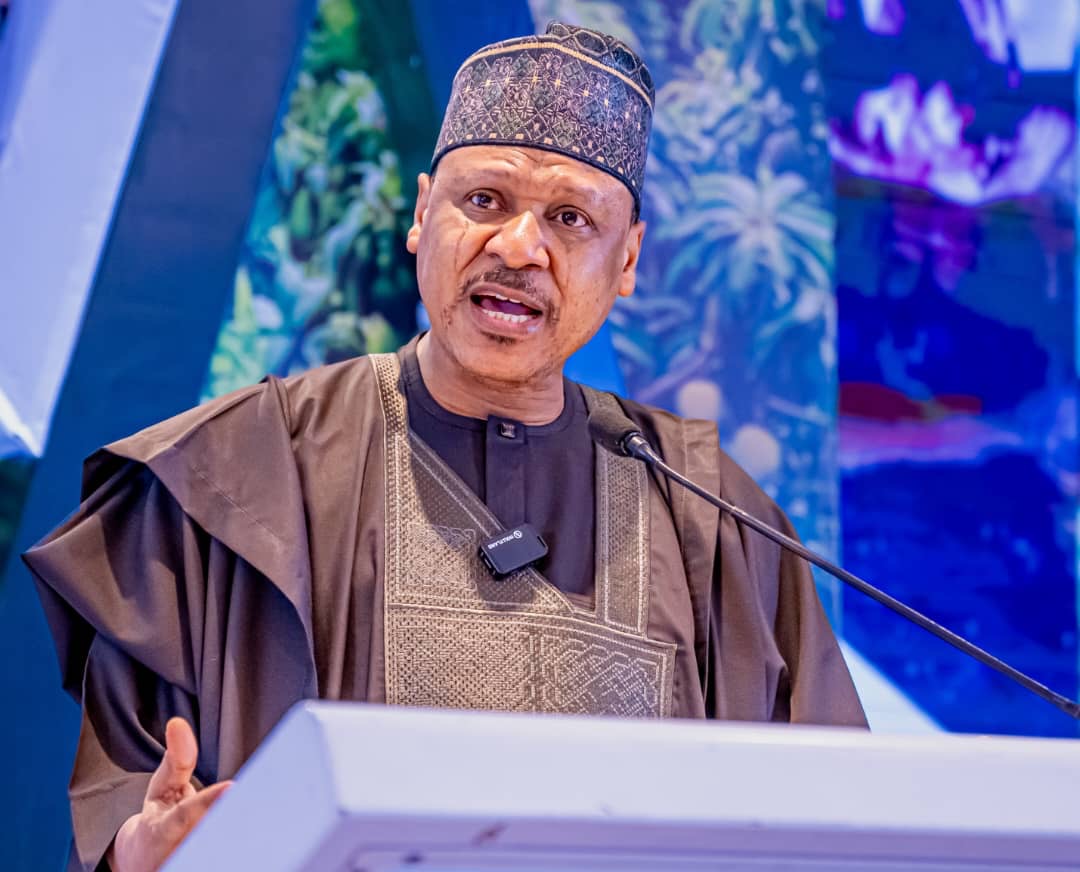
Nigeria’s Minister of Information and National Orientation, Mohammed Idris, says the North Central region possesses enormous agricultural, mineral, energy and human resources capable of transforming it into a major economic hub and contributing significantly to Nigeria’s sustainable prosperity.
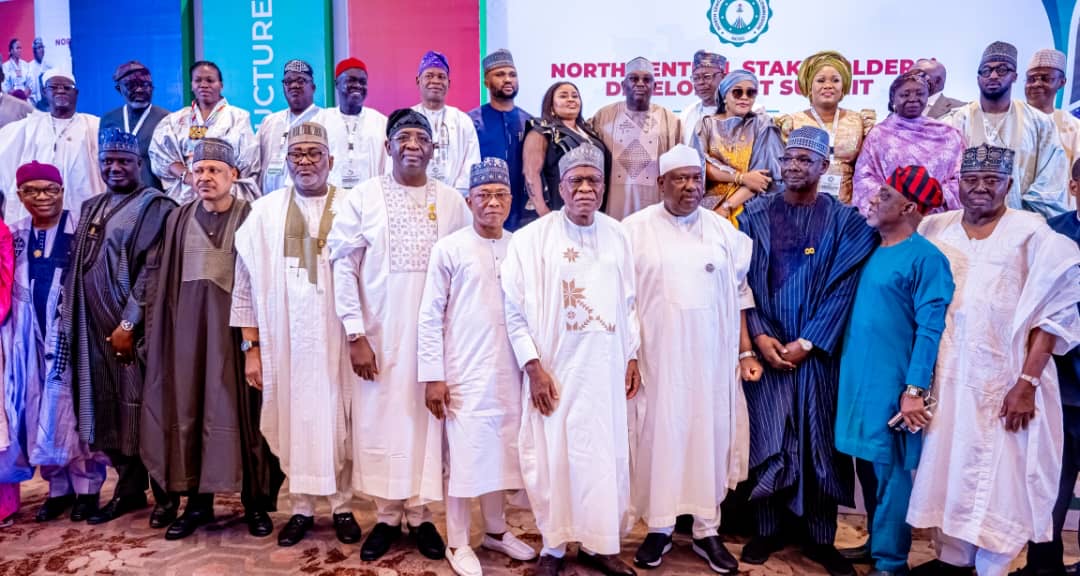
The Information Minister said this at the first ‘North Central Stakeholders Development Summit’ in Abuja.
He called for the development of a practical 20-year roadmap to harness the region’s potential and accelerate economic growth.
“The ‘Great Leap Forward’ should ultimately be measured not by meetings held, not by documents that are produced, but by safer communities, by productive farms, by better infrastructure, by new industries emerging, by expanding businesses, and jobs for our young men and women,” Idris said.
Idris while describing the North Central as Nigeria’s “geographical heartland” and a critical bridge between the northern and southern parts of the country, said the region had vast agricultural land, solid minerals, water and energy resources, tourism potential and a large population.
“The objective of all this is not just to produce more food, but also to build an agricultural value chain that creates jobs, that raises farmers’ income, and also attracts investment for the people of the region. The transformation of agriculture should form a major pillar of the North Central’s 20-year development plan, with emphasis on mechanisation, irrigation, processing and market access”, Idris said.
Idris disclosed that the Nigerian Government had already commenced interventions aimed at increasing agricultural productivity, including a programme to deploy 10,000 tractors over five years under President Bola Ahmed Tinubu’s Renewed Hope Agenda.
“These interventions are designed to increase food production while creating opportunities for farmers, agro-processors, investors and other participants along the agricultural value chain”, he said
Idris said the Calabar-Ebonyi-Nasarawa-Abuja Superhighway would further strengthen the connection between the North Central and southern Nigeria, facilitating the movement of agricultural produce alongside minerals, manufactured goods and people.
“The economic benefits of infrastructure would be greater when roads and other transportation networks were deliberately linked to agricultural production areas and processing facilities”, he said.
Broader Investment
The Minister also pointed to the Government’s broader investment in economic corridors, noting that major highways should create opportunities for agriculture, power generation, manufacturing and other businesses to flourish along their routes.
“The North Central could achieve significant economic transformation if its agricultural output was processed locally rather than exported or transported elsewhere as raw commodities”
He said the region’s agricultural potential must therefore be viewed not simply as a means of producing food but as the foundation for a wider industrial economy.
READ ALSO: Information Minister Pledges Government Support for Creative Economy
The minister said security efforts must also be complemented by economic opportunities capable of engaging young people in productive activities.
“Force alone cannot secure and bring lasting peace to a region. There is need for community engagement, early-warning systems and productive economic opportunities”, he added
Nigeria’s President Bola Ahmed Tinubu, represented at the summit by the Secretary to the Government of the Federation, Senator George Akume, said the NCDC must focus on development priorities capable of unlocking the North Central’s economic potential.
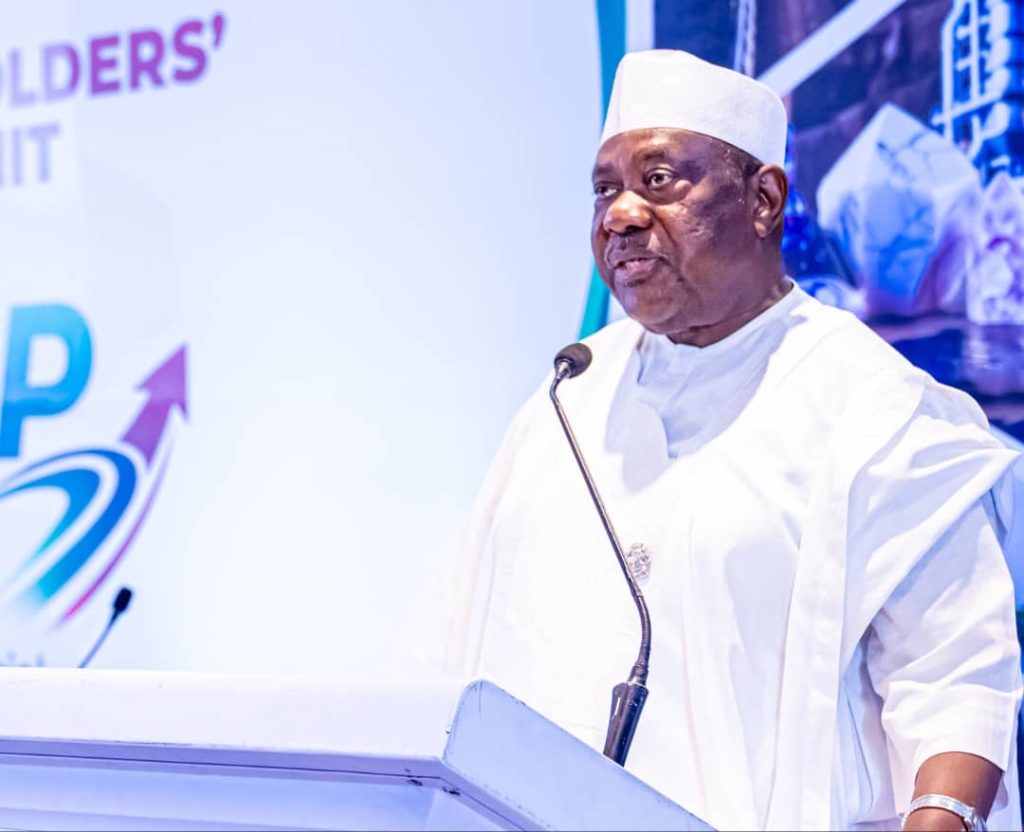
He directed the Secretary to the Government of the Federation to ensure that funds accruable to the commissions were released as and when due, while urging them to explore alternative financing through public-private partnerships, donor funding and development financing.
The President urged stakeholders at the summit to scrutinise the proposed development plan and ensure that it reflected the aspirations of the people and aligned with the Renewed Hope Agenda.