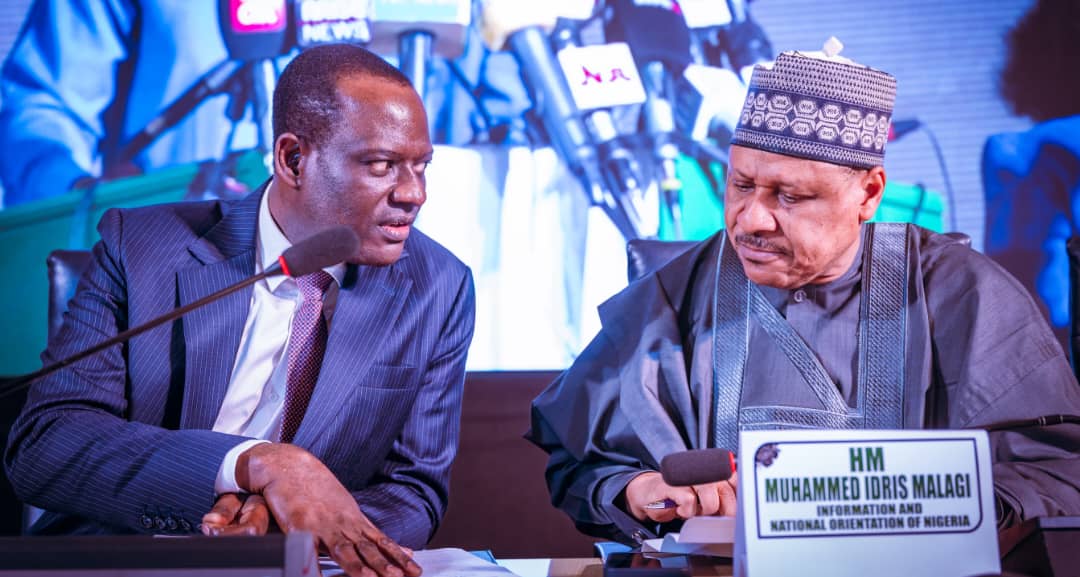
Nigeria’s Minister of Information and National Orientation, Mohammed Idris says the economic reforms introduced by President Bola Ahmed Tinubu have placed the country’s economy on a stronger footing, despite the challenges associated with the reform process.
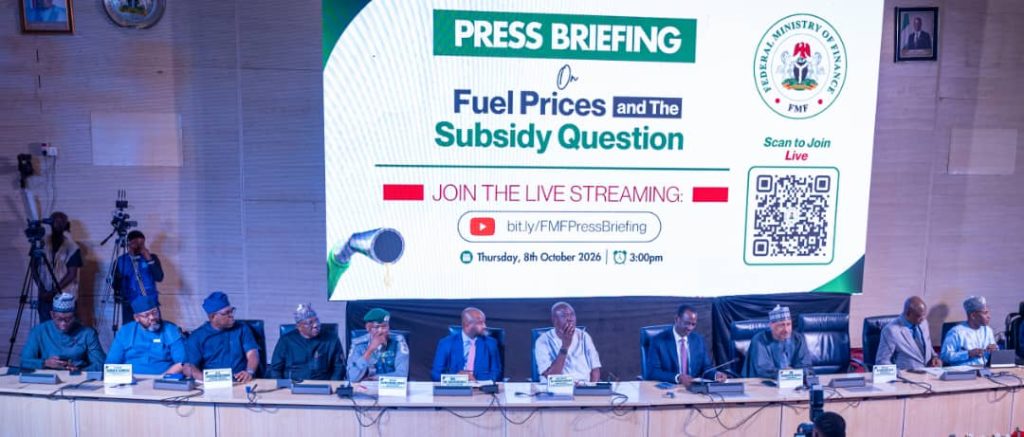
Idris stated this in Abuja at a press conference where the Minister of Finance and Coordinating Minister of the Economy, Mr Taiwo Oyedele, addressed Nigeria’s economy and the road ahead.
According to the Minister, the reforms, including the removal of fuel subsidy, were necessary to address longstanding structural distortions, strengthen public finances and rebuild the nation’s resources.
“It was in response to the long-standing challenges that the administration of President Bola Ahmed Tinubu embarked on some of the most consequential reforms in our history,” he said.
The Information Minister also noted that more than two years after the administration assumed office, the impact of the reforms was becoming increasingly evident.
He attributed the relative stability in the economy to the fiscal discipline and foundations established through the reforms, saying these had created conditions for investment and enterprise to thrive.
“Three years into the Renewed Hope Agenda, the results are increasingly evident. The economy is on a stronger footing, stability is creating greater room for investment and enterprise, and Nigeria is moving decisively into a new phase of growth, opportunity and shared prosperity,” Idris said.
According to the Information Minister, the administration was also focused on creating a stronger environment for businesses to operate.
He stressed that the government’s priority had now shifted from implementing reforms to ensuring that their benefitps translated into improved living conditions for Nigerians.
“The transition is from reform to prosperity. The focus now is on impact, ensuring that the gains of reform translate more directly into the everyday lives of Nigerians creating more jobs and opportunities, stronger businesses, increased incomes, lower living costs and an improving quality of life,” he said.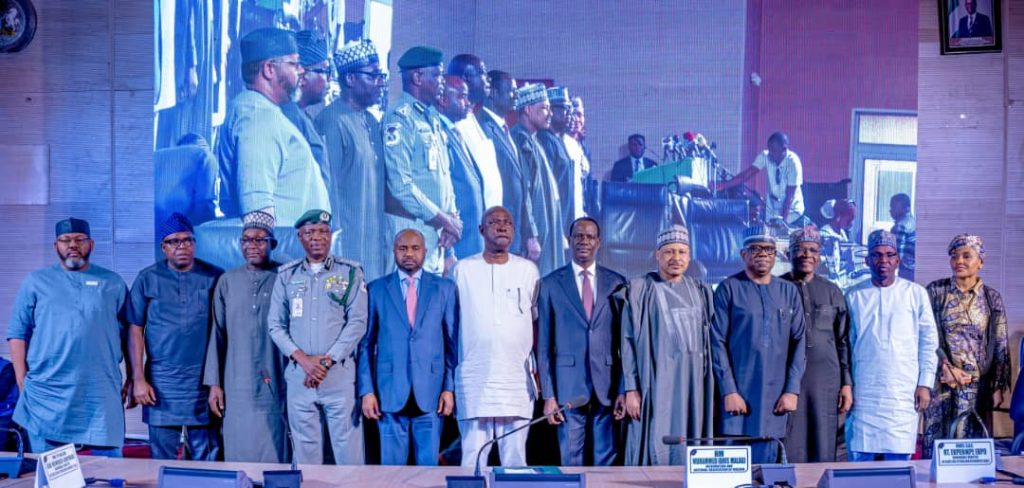
Idris said the administration’s broader economic objective was to build an economy driven by production, investment and enterprise, with progress measured not only by economic indicators but also by the opportunities available to young Nigerians and the strength of businesses and industries.
“Our goal, the goal of President Bola Ahmed Tinubu, is to ensure an economy that is increasingly driven by production, investments and enterprises, where progress is measured not only by economic indicators, but by the opportunities available to our young people, the strength of our businesses, the productivity of our firms and industries, and the living standards of Nigerians in general,” Idris said.
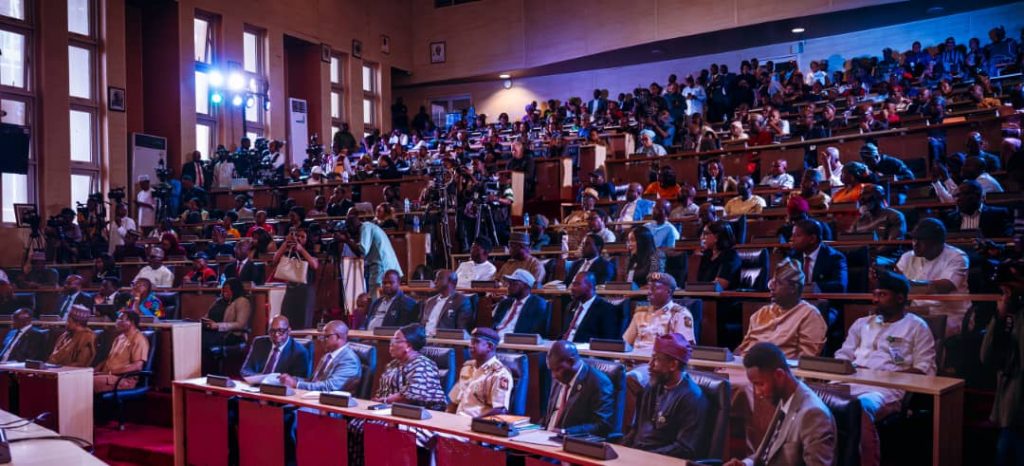
The Information Minister also emphasised the role of the media in communicating economic developments to Nigerians, urging journalists to interrogate government data, ask critical questions and report both progress and challenges while remaining conscious of their responsibility to promote national unity and development.
“The media has an important role to play in this job. You have the responsibility to interrogate data, to ask necessary questions, and to also help Nigerians understand the progress being made and the work that remains. Whatever happens at the end of the day, Nigeria is for all of us to keep. Therefore, your work must ensure that it is geared towards unity, progress and prosperity of our country,” he said.
The Minister’s remarks underscored the need for balanced and constructive engagement between the media and government on issues affecting the nation’s economy.
He urged journalists to go beyond criticism by seeking clarity, interrogating policies and providing informed perspectives while keeping the broader national interest at the centre of their reporting.