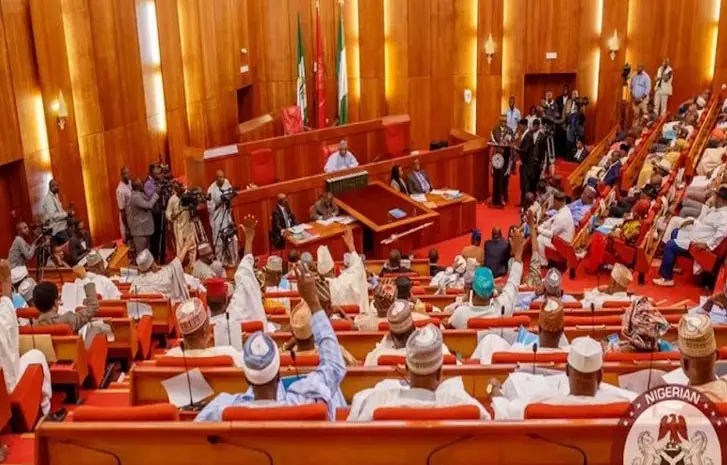
Nigeria’s legislature, made up of the National Assembly and State Houses of Assembly, has played a crucial role in sustaining democracy since the return to civilian rule in 1999. Its responsibilities go beyond making laws. It includes representing citizens, approving public spending, scrutinising government policies and holding the executive accountable.
One of its major functions is law-making. Through debates, committees and amendments, legislators create laws addressing important issues such as education, healthcare, security, economic development, human rights and electoral reform. Effective legislation can strengthen institutions and as well improve citizens’ welfare.
The legislature also provides checks and balances on executive power. Through oversight, its committees can investigate government programmes, examine spending and demand explanations from public officials. This helps prevent abuse of power, corruption and poor administration.
Another important responsibility of the Legislature is the power to control public finances. The legislature examines and approves government budgets, helping determine national priorities and ensuring that public funds are properly allocated. Effective budget scrutiny can identify waste and questionable expenditure.
Legislators also serve as a link between citizens and government. Through constituency meetings, petitions, public hearings and debates, they can bring citizens’ concerns into the policy-making process and make democracy more participatory.
However, Nigeria’s legislature faces challenges, including political rivalry, executive-legislative tensions, limited institutional capacity and concerns about accountability and the cost of governance. These challenges highlight the need for greater transparency, stronger oversight and more effective engagement with citizens.
For democracy to remain sustainable, the legislature and executive should operate through constitutional checks and balances, rather than unnecessary confrontation or unconditional cooperation.
In all these, the media and civil society should also monitor legislative activities and educate citizens, while voters should assess legislators based on their representation and contribution to good governance.
The real measure of legislative success, therefore, should not simply be the number of bills passed or the volume of parliamentary debates. It should be reflected in whether legislation improves the lives of Nigerians, whether public officials are held accountable, whether public resources are responsibly managed, and whether citizens have greater confidence in democratic institutions.
Nigeria’s democracy will become more sustainable when its legislature fully embraces its constitutional responsibilities and consistently places national interest, accountability and the welfare of citizens above narrow political interests. A legislature that effectively represents the people and checks the excesses of government is not merely participating in democracy—it is helping to protect and build it.