UN Women and UNFPA have called for policies to value care work, strengthen families and protect women and girls, saying social protection and gender equality are vital for development.
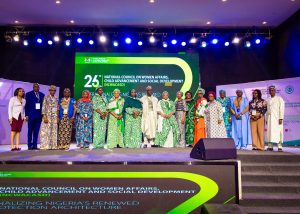
The call came at the 26th National Council on Women Affairs in Jalingo.
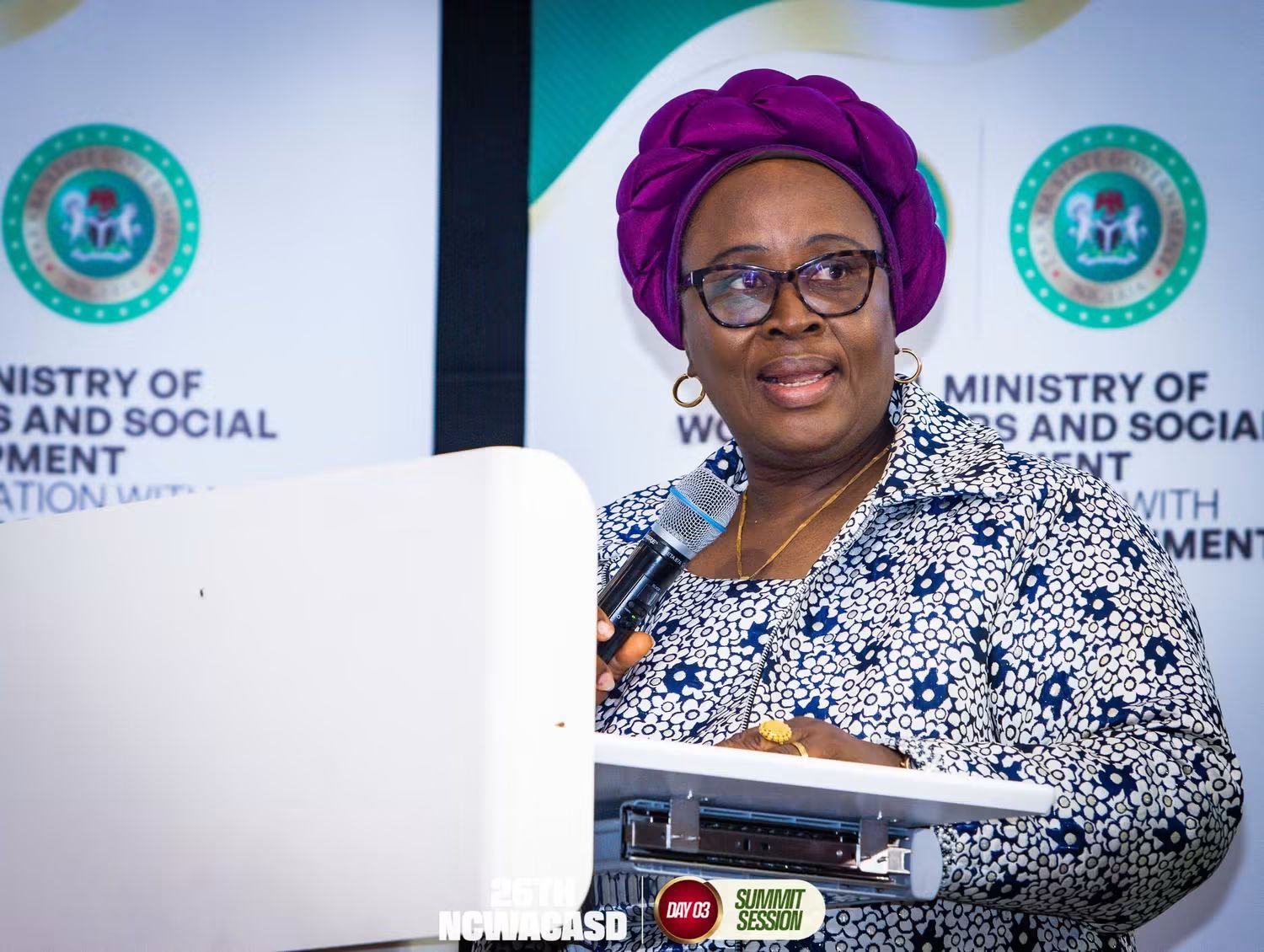
UN Women Representative to Nigeria and ECOWAS, Beatrice Eyong, commended the Honourable Minister of Women Affairs and Social Development for organising the Council and for programmes advancing women’s participation and empowerment.
She said the theme, Strengthening Families for Inclusive Development, was central to gender equality and women’s empowerment, including the Women, Peace and Security agenda.
“I wish to thank the Honourable Minister for organising this work, the National Council and also for the theme Strengthening families for inclusive development; That is very central to gender equality and women’s.”
Eyong said the Ministry’s programmes demonstrated a clear vision and direction.
“Our Minister has put in place very wonderful programmes. Just look at those programmes, and you will see the vision. You will see the vision where the Ministry is going, and I want to say that UN Women is committed to supporting the Ministry, the Minister and the vision of the Ministry.”
Gender Equality
Eyong reaffirmed UN Women’s commitment to supporting the Ministry, the Minister and its vision for gender equality and women’s empowerment.
During a thematic presentation on “The Care Economy as a Driver of inclusive development: Valuing Care Work in Nigeria’s Renewed Social Protection Architecture,” UN Women’s Desmond Osemeje said care activities were not adequately recognised in family income and economic accounting.
“Care activities are not costed. They are not costed; they are not accounted for in the family income. And nobody benefits from it. Women don’t benefit and at the end of the day.”
Osemeje called for deliberate action to cost care work and reward those performing it.
“So I think it is time for us to cost this. And those who are doing the work should be rewarded accordingly.”
He also urged the government to ensure that social protection policies recognise, value and support care work.
“If we build a society that values care. We build a society that values people.”
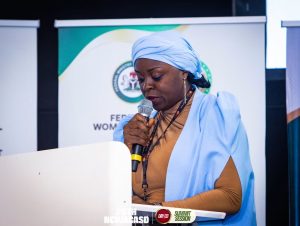
Representing UNFPA Country Representative Muriel Mafico, Deborah Tabara commended the Minister’s leadership, particularly efforts to promote greater representation of women in decision-making through the ongoing constitutional review as “a bold step toward inclusive governance.”
She highlighted Female Genital Mutilation declining from 19.5 per cent in 2018 to 14 per cent in the 2023/2024 Demographic and Health Survey as showing that “change is possible when we work together.”
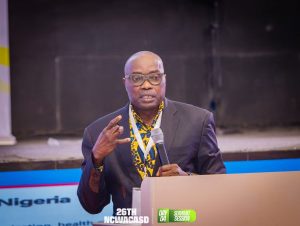
Tabara, however, said significant challenges remained, particularly noting that “58 per cent of women who experienced physical or sexual violence never sought help or told anyone. More than one in three women aged 20 to 24 were married before age 18, while nearly half of women in the poorest households received no antenatal care and more than half of births still occurred at home.”
UNFPA urged government agencies to strengthen legal frameworks and coordination on gender-based violence, harmful practices and healthcare access, reaffirming commitment to assistance and evidence-based programming.