The Nigerian Government has dismissed claims that the Lagos-Calabar Coastal Highway is responsible for flooding in parts of Lagos State, insisting that the project was specifically designed to improve drainage and reduce flooding in shoreline communities.
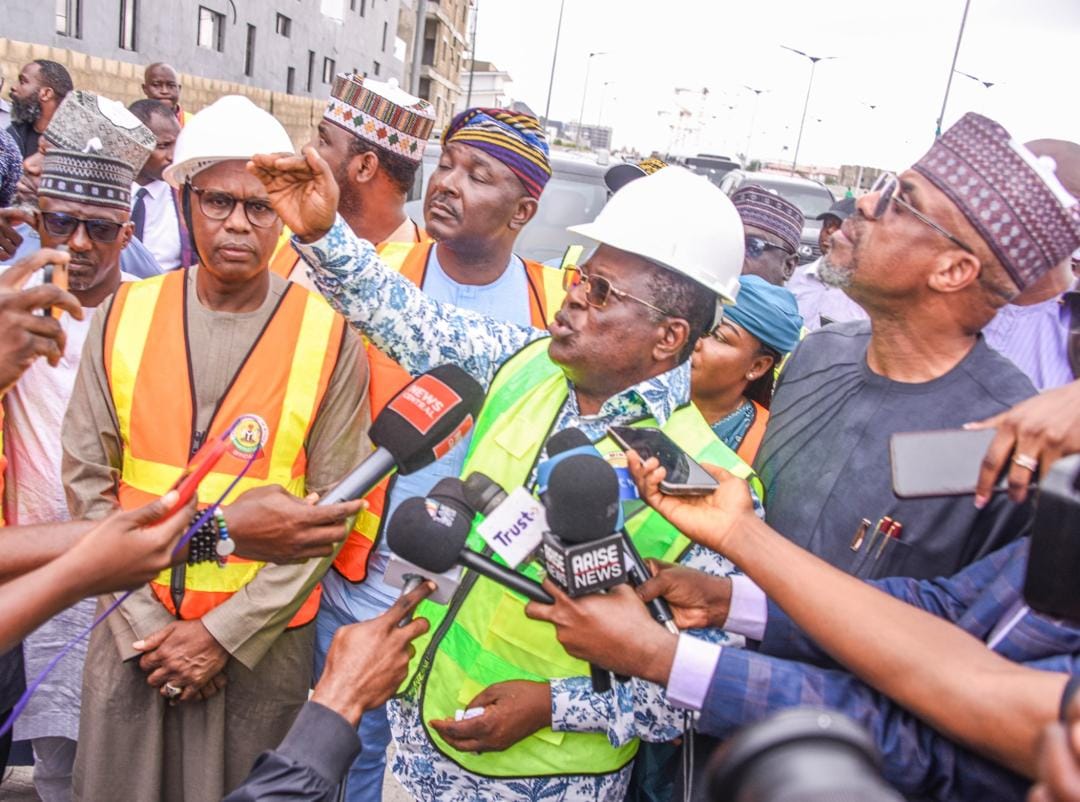
Minister of Works, David Umahi, stated this while inspecting completed and ongoing sections of the highway. He said the road incorporates modern engineering features, including culverts, drainage systems and embankments, to facilitate the effective evacuation of stormwater and provide a long-term solution to flooding.
According to the minister, the major causes of flooding are blocked drainage channels resulting from indiscriminate refuse disposal and buildings erected on designated drainage paths rather than the highway project itself.
“You can see people blocking manholes and creating hazards to the environment. Many complaints about flooding are caused by human activities, not the road project,” Umahi said.
He disclosed that the Federal Government, in collaboration with the Lagos State Government, is implementing environmental remediation measures such as dredging, drainage improvement and strict enforcement of approved Right of Way regulations. He added that structures obstructing drainage channels would be removed.
Umahi also announced that a stakeholders’ engagement would be held to address environmental concerns, promote public awareness on proper environmental practices and strengthen collaboration in flood management.
The meeting, he said, would bring together the Senate and House of Representatives Committees on Works, the Federal Ministry of Environment, the Office of the Surveyor-General of the Federation, the Lagos State Government, landlords’ associations and other relevant agencies.
To protect the completed sections of the highway, the minister directed the Federal Controller of Works in Lagos State, Olufemi Dare, to ensure full compliance with environmental safety standards.
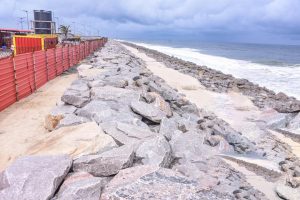
Speaking during the inspection, Chairman of the Senate Committee on Works, Senator Allwell Onyesoh, and Chairman of the House Committee on Works, Hon. Akin Alabi, maintained that flooding in the affected areas predated the construction of the Lagos-Calabar Coastal Highway. They attributed the situation largely to the effects of climate change and called for proactive measures to address the challenge.
Also speaking, Senate Minority Whip, Senator Onyekachi Nwaebonyi, urged government authorities to rely on the recommendations of environmental experts in developing both immediate and long-term solutions to flooding. He noted that the problem had existed for years before construction of the coastal highway began.