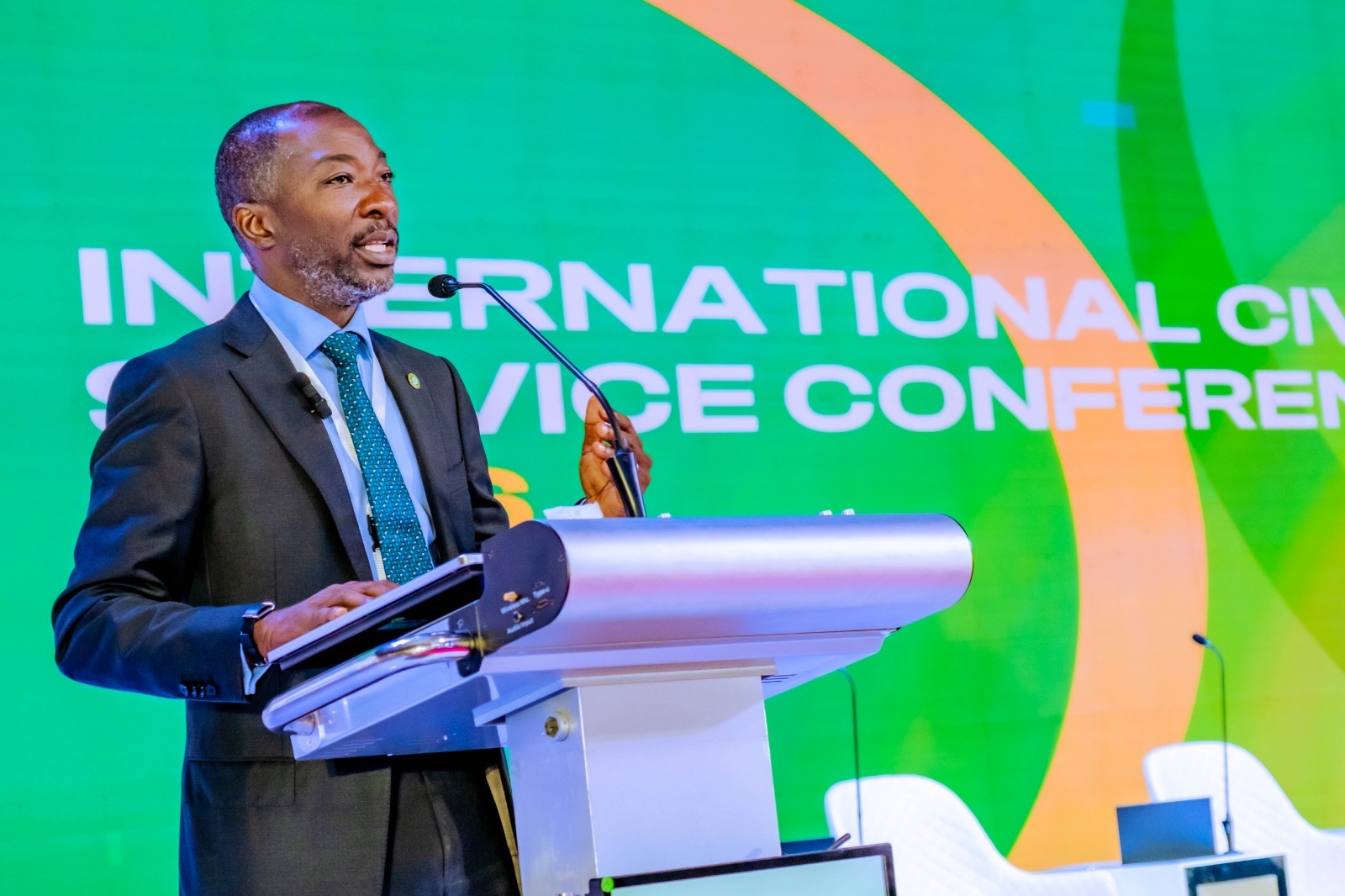
The Nigeria Social Insurance Trust Fund NSITF, has restated its commitment to preventing and protecting all vulnerable groups, especially People Living with Disabilities through occupational safety and health.
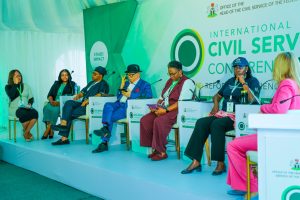
Speaking in Abuja at a panel session at the just-concluded International Civil Service Conference on the topic: “Inclusive public services for women, youths, persons with disabilities and vulnerable groups”, NSITF Managing Director, Mr Oluwaseun Faleye, said the Fund, through its Employees Compensation Scheme ECS ensures that the vulnerable are not left in the cold.
READ ALSO: NSITF, Partners Drive Social Protection in West Africa
Represented by the Abuja Regional Manager, Mrs Bridget Ashang, Falaye said that the ECS is a social protection, social security scheme for employees.
“If there is any incident that leads to injury, disability, disease in the course of work, the Fund takes care of the employee and dependents until the last child is 21 or a graduate of a tertiary institution.
“For NSITF, our core mandate, actually, is compensation for employees if there is any incident in the course of work.
“However, we realise that prevention is better than compensation, and that’s why we are leading when it comes to Occupational Safety and Health”.
The Organisation also carry out audits of the workplace to ensure that every thing needed for workplace safety are in place.
According to Mr Falaye, “we always believe prevention is better than cure, because in the course of running the Employees’ Compensation Scheme, we’ve seen that disabilities at times arise from the course of work.
“So, one of the things we ensure first and foremost, and we promote, and we talk about, is safe, healthy, inclusive workplaces. We come around, and we do what we call an Occupational Safety Net in the workplace.
“And another thing we talk about is accessibility, and other things that are protected, those things that would ensure inclusivity of those who are living with certain disabilities, of women, of youth, and all of that”.
He lamented that the law did not make provision for sanctions but however, provides that workers be duly protected.
“Our law actually says, go out there, make sure the employees are properly taken care of while they are working. And if there’s an incident, we step it”.
Speaking on specific group of people who he said are vulnerable but not considered as that, “those who wake up very early in the morning, get ready, no matter the weather, commute to work, stay at work, and do all sorts of work.
“A lot of the time when we talk about social security, we talk about well-being in society, social protection, we talk about infancy, mortality rates, we want immunization, vaccinations, mortality care, taking care of pregnant women, and all of that.
“Then we talk about school children, free food, free education. Then the next thing, if we all agree, we’ll talk about pension. Almost all the time, it goes straight from children, infancy, all the way to pension.
“What about the working group? The most vulnerable group in the world all the time; commute to work, spend hours at work, and so on. Those are the ones NSITF are concerned about”.
Also on the panel were, Kachallom Daju, Permanent Secretary, Federal Ministry of Health ans Social Welfare, Hansatu Adegbite, Mr Olubunmi Olusanya, Permanent Secretary, Federal Ministry of Humanitarian Affairs, Mrs Beatrice Agba, Permanent Secretary, Federal Ministry of Justice and Solicitor General of the Federation, Dr Jake Epelle, and Kristin Envig.